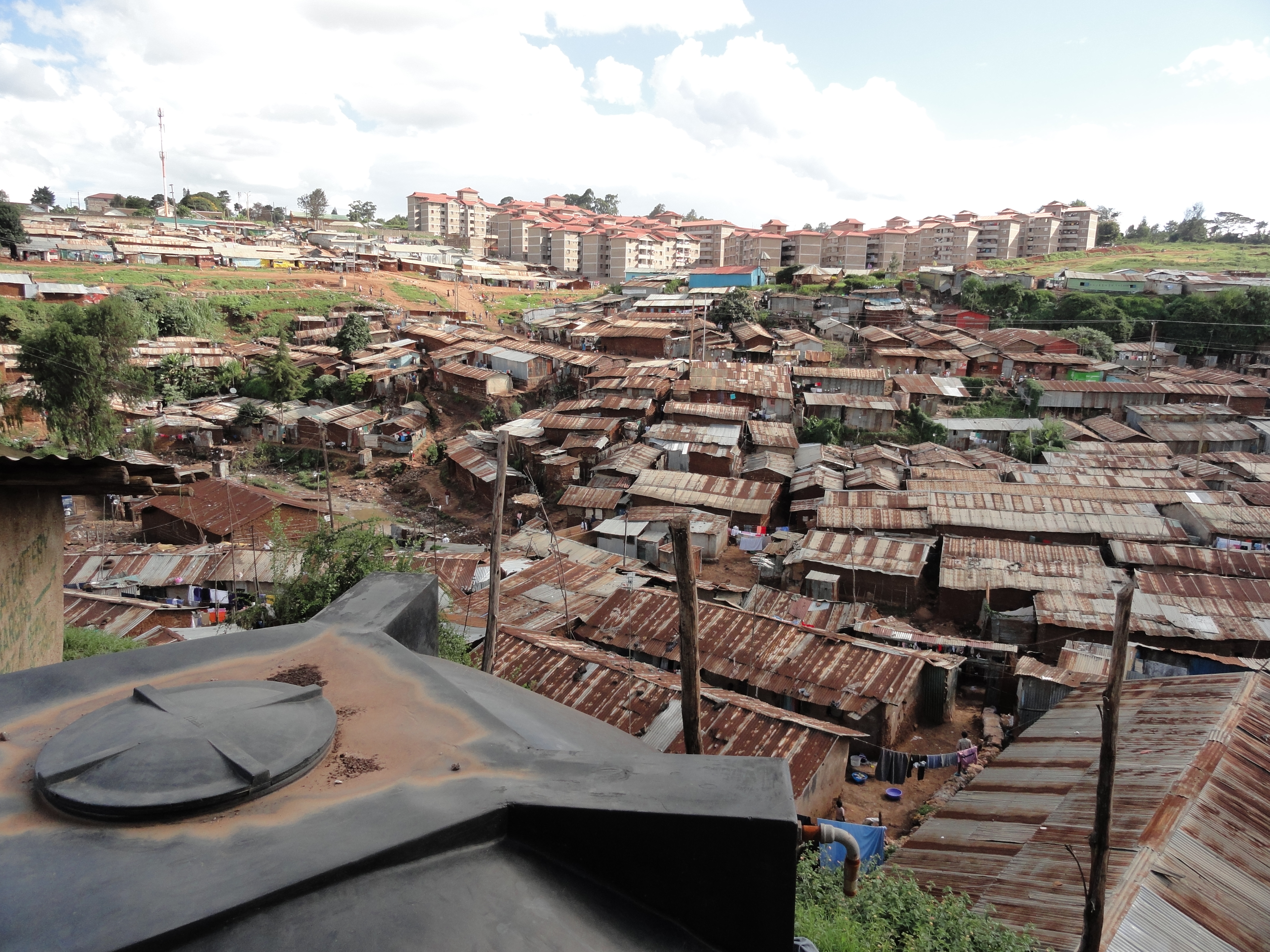
After a fun day at the elephant orphanage yesterday (pictures on Flickr), today was the kick off to the real reason I came to Africa. I had the opportunity to take a 4 hour private tour of the largest slum in East Africa with two men who were born and raised there. While I have pictures of Kibera, they simply cannot deliver an accurate assessment of this massive community.
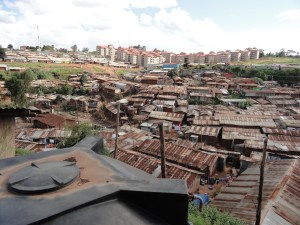
Kibera Slums
First of all, let’s just say that the lack of proper sanitation is extremely apparent to all senses as you walk through the streets. Second, the sheer size of the area isn’t adequately portrayed in a photo. Finally, from the high level pictures, you miss the most intense element – the people. There are just so many people, thousands upon thousands out in the streets. Most people not only live here, but operate tiny shops out of their homes. There are children everywhere. The most incredible thing is that while I wouldn’t last a week there and you generally equate extreme poverty with extreme crime and despair, most people are high spirited and exceptionally friendly. I can’t even count how many random strangers came up to shake my hand or welcome me to their community.
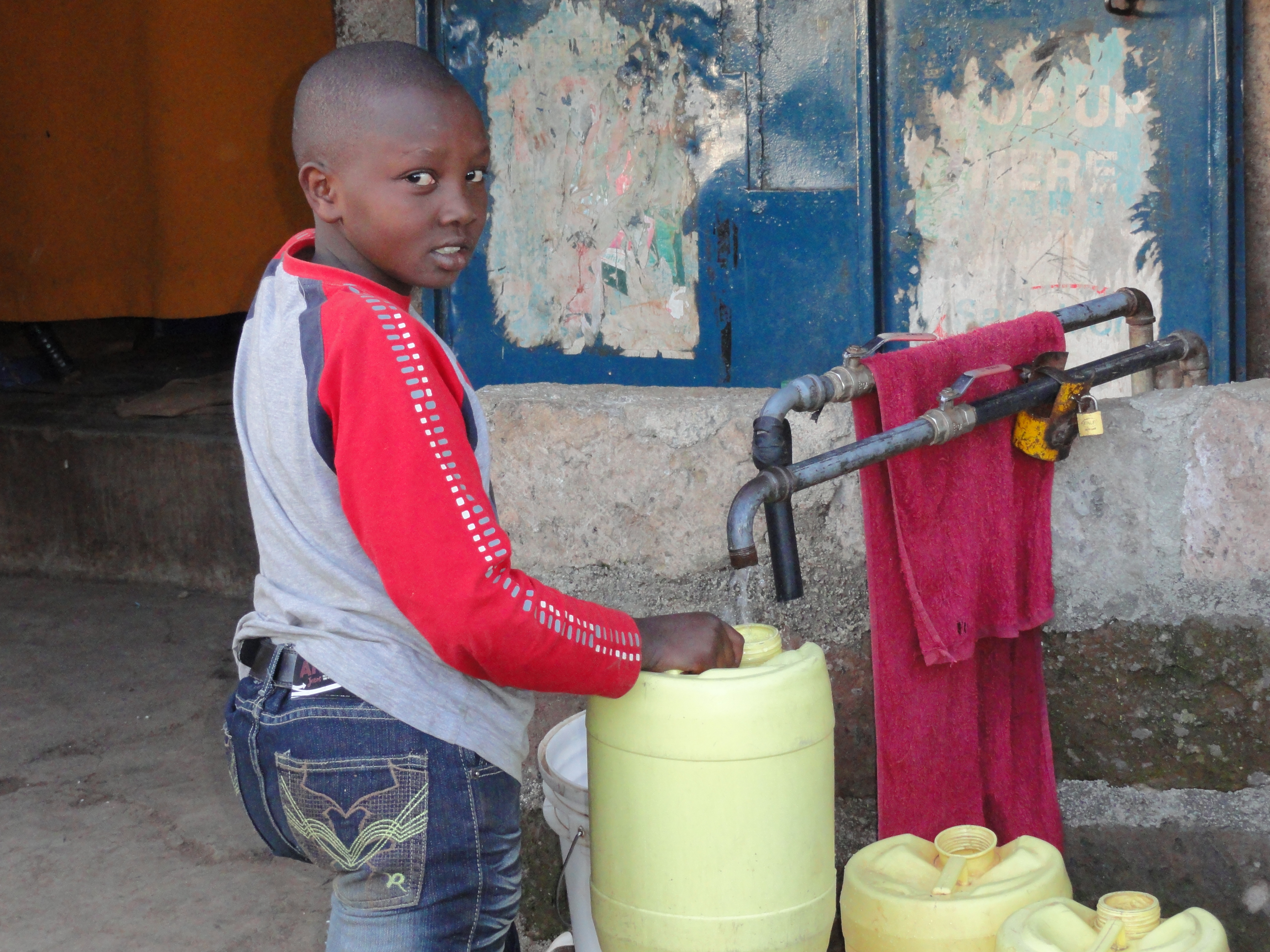
During my tour, the guides and I discussed numerous topics including water cleanliness (obviously), financial services constraints, population control, education, public housing, and more. While there are numerous areas for improvement (which may be the understatement of the year), the locals told me that they considered sanitation and water to be the most pressing issues. I can completely understand why sanitation ranked #1, as a handful of pit latrines are shared by thousands of people and overflow, forcing people to resort to a far less desirable option when relieving themselves. Water obtained from the public (though not free) tap is unclean and stored in dirty jugs, when available at all. Due to these conditions plus the density and openness of the slums, disease spreads like wildfire throughout the slum.
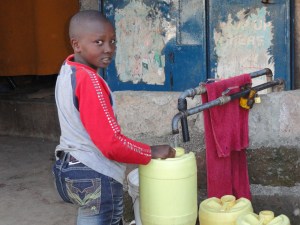
Paying for water at the tap
We discuss two different options for providing access to clean water with the ceramic water filters, and they were both received very well. In fact, they told me that if I could bring samples back from Kiminini, they would be able to put me in touch with the leaders of several community groups. I have little doubt from my research and conversations with the other volunteers that having community leaders promote the filters is one of the best ways to obtain high adoption. I’ll discuss these options in far greater detail very soon.
We also discussed many of the financial challenges that the residents of Kibera are faced with on a daily basis. High unemployment is a critical problem, and there are simply too many people for this to be easily resolved. In addition, the economy is largely internal. By that I mean that it’s poor people buying and selling to and from each other. There is little opportunity to inject new capital into the system and fuel economic growth, so their scarce resources just circulate amongst themselves. There is massive redundancy in terms of the products and services offered and little to no economies of scale. Identifying opportunities to consolidate and export / sell to higher income areas is worth additional research. Cash management is also a topic that the locals brought up several times, and that is very consistent with prior research. I’ll discuss this topic in more detail at a later date as well.
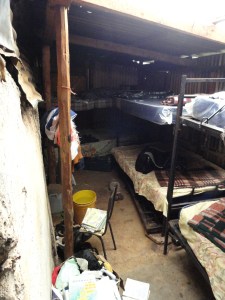
Orphanage
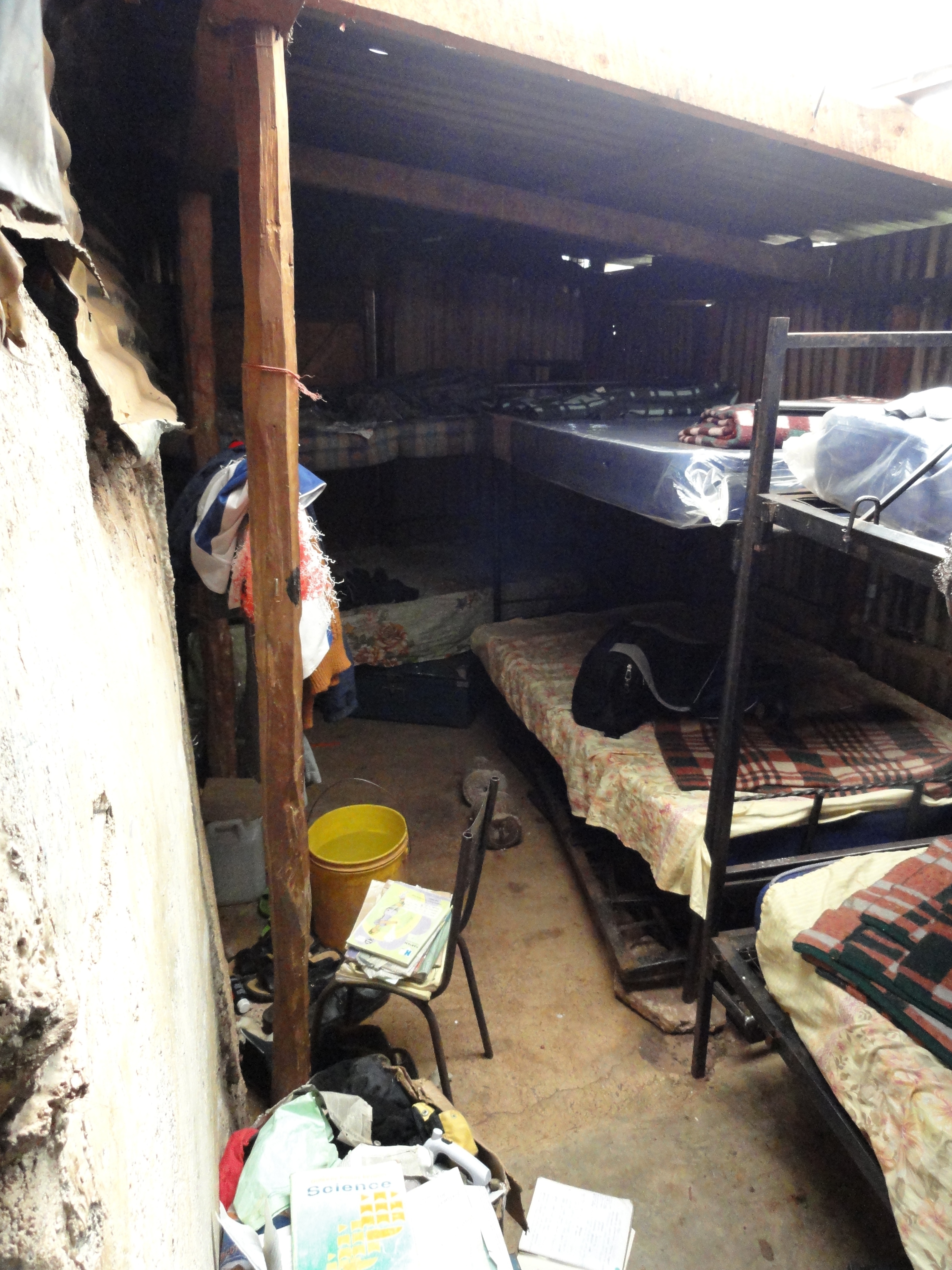
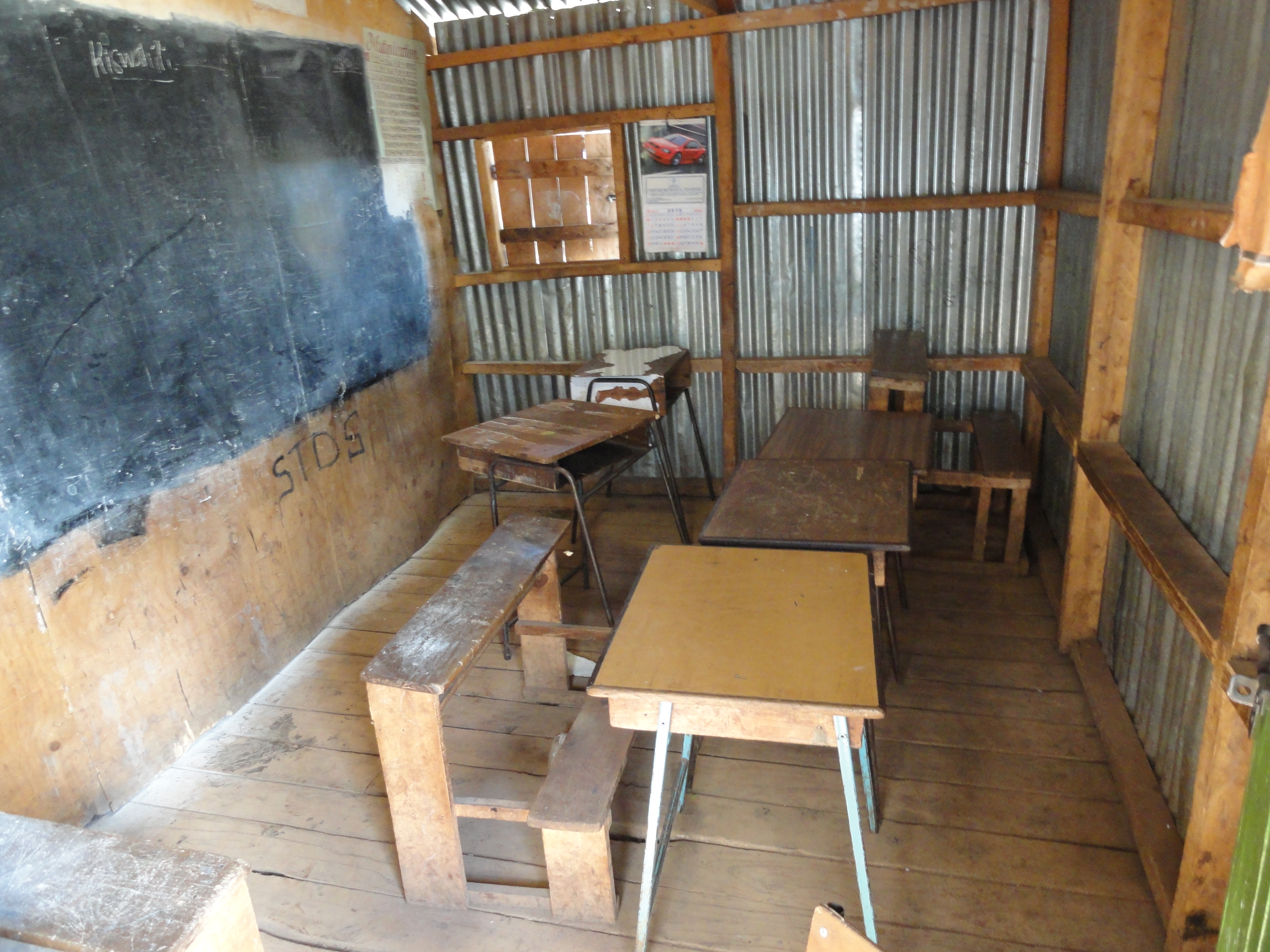
The last two pictures I’ll post here show a privately run orphanage dorm and school, funded primarily through donations. The dorm was stifling hot when I was in there alone, and the children share 4 to a bed, cramming 64 people into a room I would barely find suitable for storing old junk. The school consisted of 3 rooms of less than 100 sq. ft. each that accommodate up to 20 children per class.
For additional pictures, check out the Flickr link on the right. I head to the village of Kiminini tomorrow morning, and will start learning about the similar but distinct challenges faced by the rural poor. I look forward to sharing more stories and pictures with you. As always, don’t hesitate to comment if you have thoughts you’d like to share. Thanks.
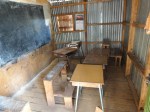
School
Read Full Post »



 Clean Water For All