Today CleanWaterForAll.net passed the 3,000 view mark! This achievement was greatly expedited by WordPress promoting my blog on their “Freshly Pressed” page (which was awesome). I’m delighted that so many people are interested in learning more about my work and the struggles and culture of Africa. If more people took an interest like you, many of the problems around the world could likely be reduced or eliminated.
Posts Tagged ‘Africa’
3,000 view celebration
Posted in Personal Travel Stories, tagged Africa, clean water, Travel on June 8, 2010| Leave a Comment »
Village Volunteers
Posted in Ceramic Water Filters, Kibera Water Kiosk Project, Personal Travel Stories, tagged Africa, Kenya, Travel, Village Volunteers on June 7, 2010| Leave a Comment »
For those of you who have ever thought about volunteering abroad, know someone who wants to volunteer abroad, or simply want to support an organization doing great work abroad, I thought I’d tell you a bit more about Village Volunteers. Village Volunteers, the organization that I went through for this Kenya trip, is a Seattle-based non-profit that partners with Community Based Organizations (CBOs) all over the world.
If you’ve read my posts on Emmanuel’s school in the Maasai Mara or Joshua’s Common Ground for Africa, which is a school, bio-intensive farming training facility, and water filter plant, then you already know about some of the terrific programs that Village Volunteers supports. They also work with programs in the fields of healthcare, economic development, women’s empowerment, childcare, and more.
Village Volunteers works with these programs in two ways. The first is to send international volunteers like me to work with CBOs on specific projects or to provide general assistance. All the marketing work I’ve done for the water filter project in Kiminini was a direct result of the partnership between Village Volunteers, Common Ground for Africa, and the Kenya Ceramic Project. The second way Village Volunteers supports these organizations is to help them find funding sources through grants or connections to private donors. Many of these amazing organizations simply wouldn’t be able to survive or flourish without the help of Village Volunteers.
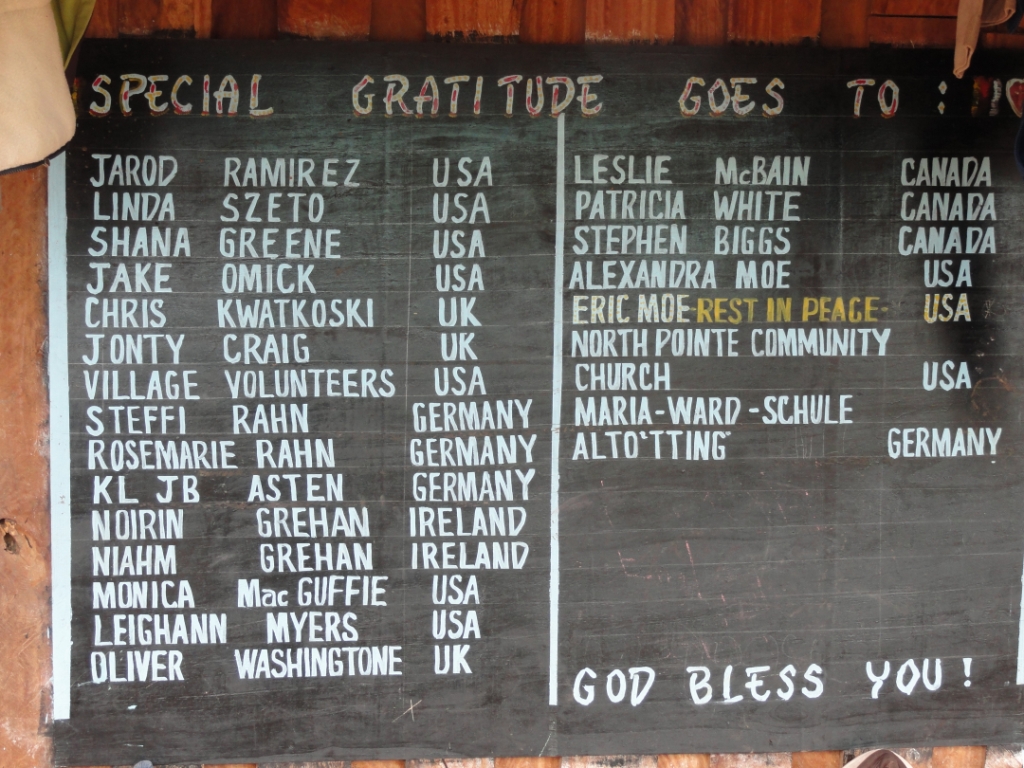
To give you an idea of how much these global programs appreciate the help of Village Volunteers, Joshua from Common Ground for Africa told me that he named one if his daughters after Shana Greene, the Executive Director of Village Volunteers. There’s also a Shana Greene Dormitory, and Emmanuel’s primary school publically recognizes both Shana and Village Volunteers. I’ve personally been so impressed with the quality of the people and program that I recently joined the board of directors of Village Volunteers.
If you have any interest in either volunteering internationally, volunteering domestically to support Village Volunteers, or supporting Village Volunteers financially, please visit www.VillageVolunteers.org for more information or you can e-mail me at jeremy@villagevolunteers.org.
Share this:
Thank you for your support
Posted in Ceramic Water Filters, Kibera Water Kiosk Project, Personal Travel Stories, tagged Africa, clean water, Kenya, Kibera, water filters, water purification and storage on June 3, 2010| Leave a Comment »
I’d like to take a minute and thank everyone who donated to these fantastic water projects in Kenya. I have many friends back home who contributed money. Outdoor Research contributed a number of weatherproof jackets, shirts, pants, and hats, which I gave out at various slums and schools throughout Kenya. I have also received a generous donation from an organization who asked to remain anonymous.
The Kibera water kiosk project has great momentum and I’m very optimistic that we’ll receive government approval. I’ll then need to raise approximately $20,000 for the initial infrastructure including four 10,000 liter water tanks, the smaller 500 liter containers for all the kiosks, educational signs and materials, and more. Once the initial costs are paid for, the business is set up to be financially self-sustaining. If you would like to support this amazing project that will both reduce disease and create jobs in one of the largest slums of the world, please click on the following link:
http://www.villagevolunteers.org/donation/donate-info.php
When asked to specify the purpose, just type “Jeremy Farkas”. The donation is tax deductible and will go towards supporting a fantastic cause. I’d also like to note that all my time is donated so your donation will go directly towards project expenses. Thank you so much for your support.
Share this:
Disaster averted
Posted in Kenyan Culture, Personal Travel Stories, tagged Africa, Kenya, Travel on June 1, 2010| Leave a Comment »
As my time in Nairobi comes to a close, I’d like to remind everyone who’s traveling abroad (and at major cities at home) to always be careful. In three days I had two close calls here in Nairobi. First, a few days ago, someone tried to steal my watch while I was in a car. I was in traffic with the window rolled down, and a guy reached in and tried to yank my watch right off my wrist. Fortunately, he didn’t get the watch, though he did break the strap.
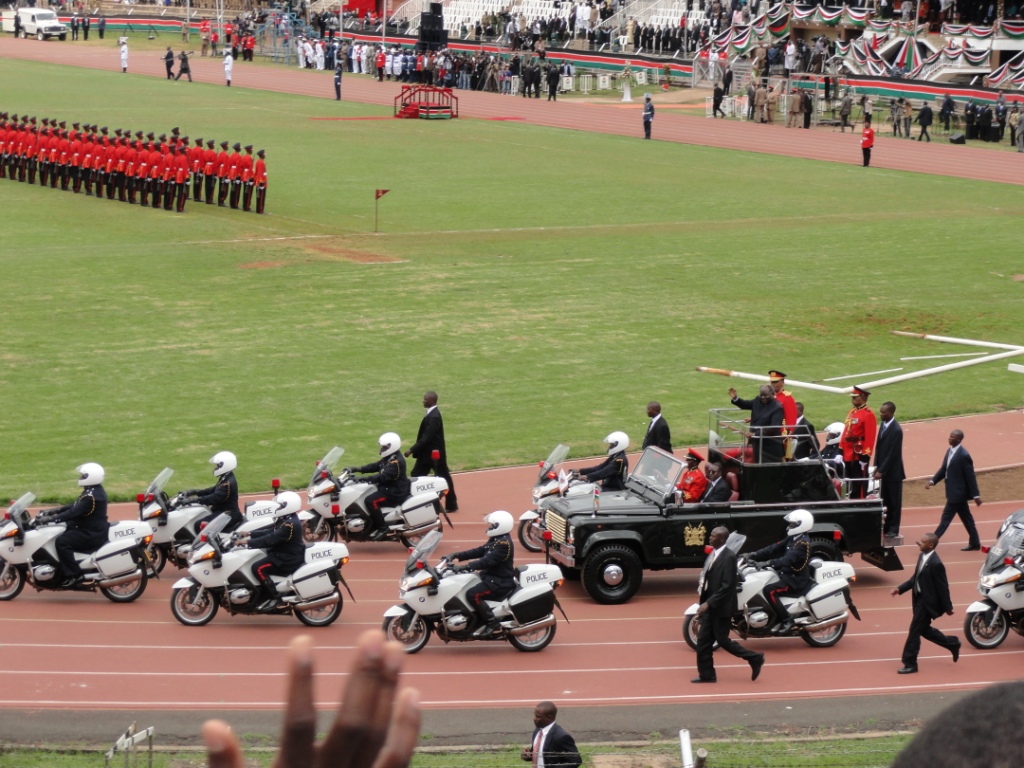
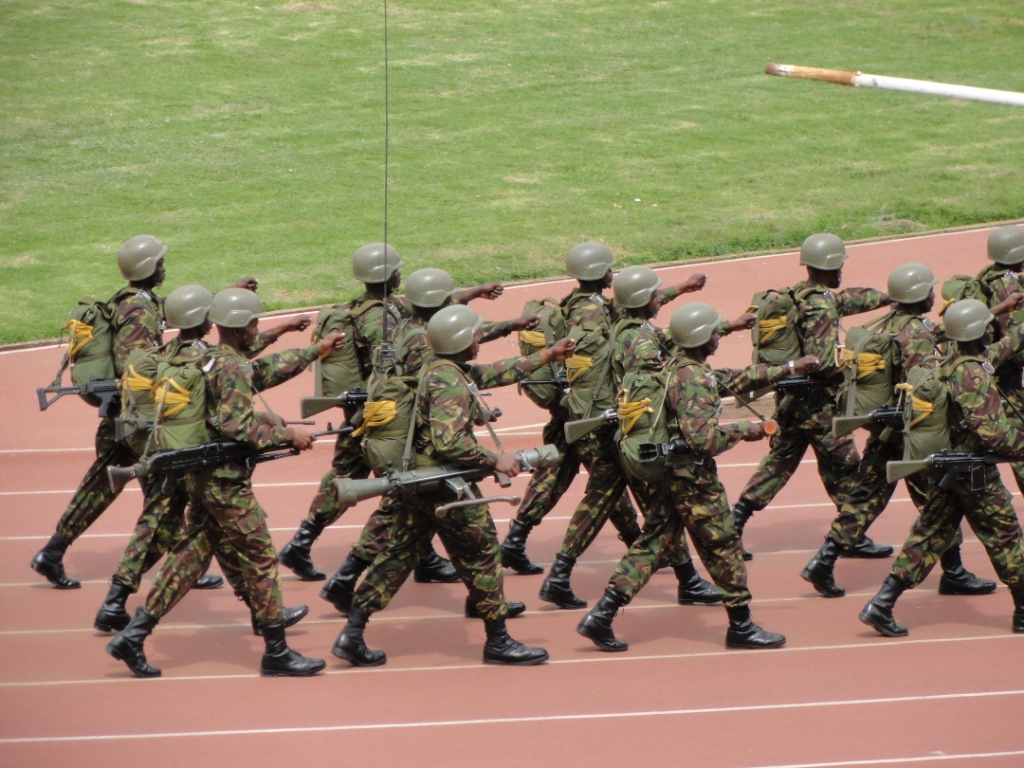
Then today I was at a Madaraka Day (Independence Day) celebration at the Nyayo National Stadium with another volunteer and a Kenyan. Halfway through, the Kenyan insisted that we get up and leave. Apparently he noticed a group of six men who had gathered around us and were studying us quite intently. Eventually, he saw one of the guys take something resembling a knife out of his bag and he gave it to the person next to us, who slipped it in his sock. That’s when we decided it was best to get out of there. Unfortunately, out of respect to the president, the police lock everyone inside the stadium until after the event is over. It was like a mosh pit as we waited by the locked gate with the couple hundred other people trying to leave. We were lucky to eventually get out of there with our cameras, wallets, and non-punctured skin. The event was interesting, but more stressful than I needed at this point in the trip.
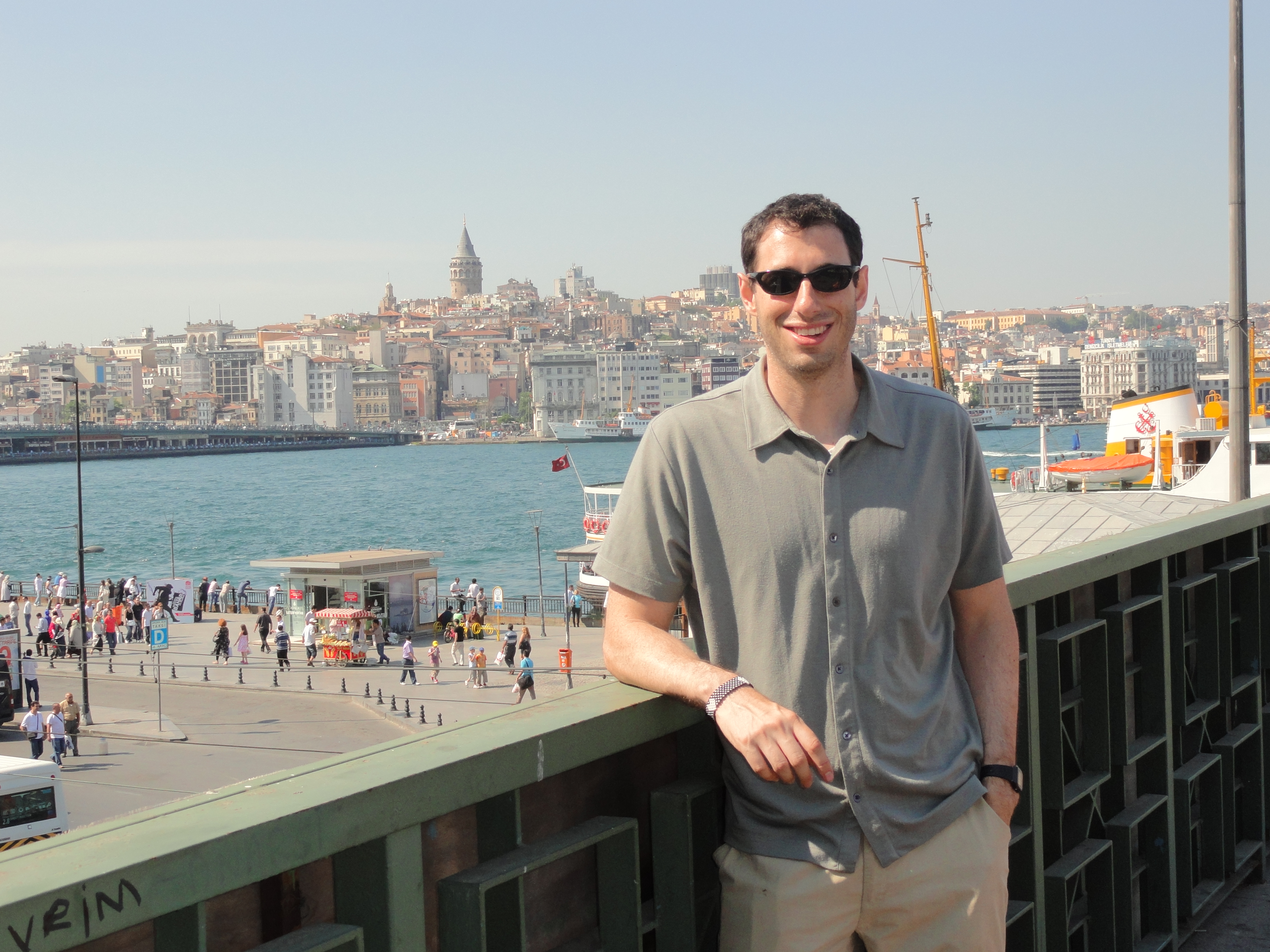
I’m getting ready to head out to Cairo and then Istanbul for a bit, but I will continue to post updates on the two water projects plus any interesting travel stories, so be sure to check back in regularly. I’ll also continue to post various travel pictures from the rest of the trip.
Share this:
Huge break for the Kibera water kiosk project
Posted in Kibera Water Kiosk Project, tagged Africa, clean water, Kenya, Kibera, water purification and storage on May 31, 2010| 2 Comments »
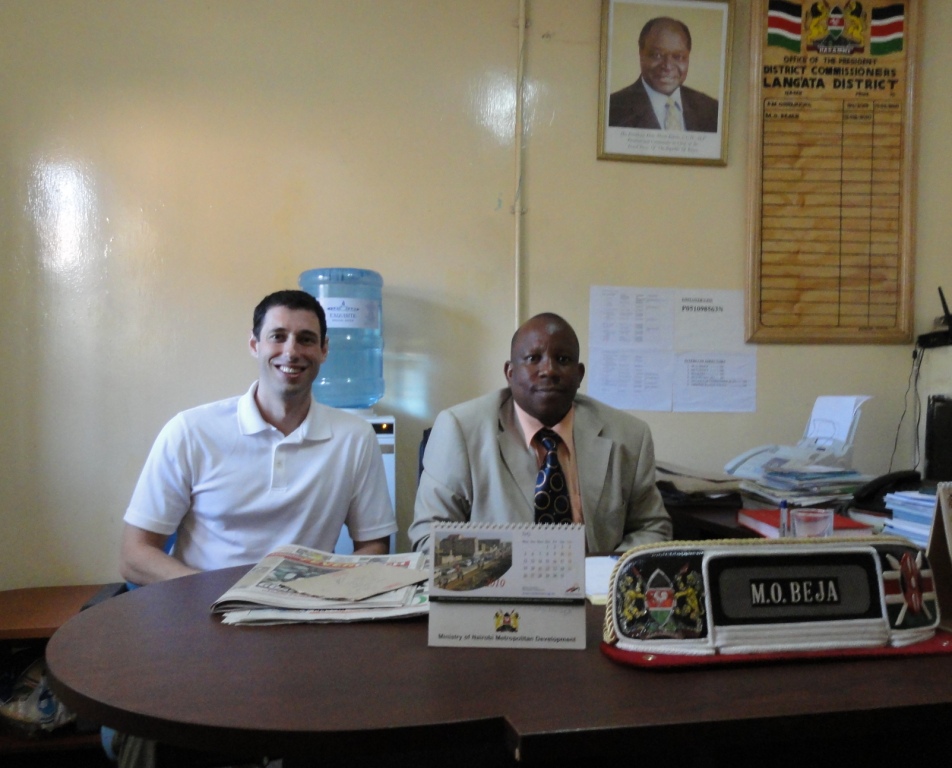
I have an exciting update on the Kibera water kiosk project. This morning I thought I was meeting with a few mid-level government officials. As it turned out, my meeting was with the District Commissioner (DC), who I believe is one of the highest if not the highest ranking official in the local government.
After presenting the water kiosk concept, he invited me to attend and present at the District Development Committee meeting, which is the full committee of all key local government officers. If I get approval at that committee meeting, then we’re basically cleared to start working (once that pesky funding issue is resolved). I’m extremely pleased with the speed at which this is progressing. Now I just need to figure out if I can get back to Nairobi to present in person, or if I’ll need to send Steve in my place.
The DC invited me back for a follow-up meeting this afternoon. I’ll write another post if anything interesting happens at that meeting, though I’m not expecting a lot of new information to come out of it. Either way, I’m taking it as a good sign.
Share this:
Another look at Maasai culture
Posted in Kenyan Culture, Personal Travel Stories, tagged Africa, Kenya, Travel on May 30, 2010| Leave a Comment »
In yesterday’s post I discussed how Emmanuel, a member of the Maasai tribe, received 24 cows at two Maasai rituals. He’s now using some of those cows to buy land, but he told me that he first used some of those cows to finish paying for high school. Without them, he said he never would have been able to complete high school and go to college.
The reason his parents couldn’t pay the school fees is that Emmanuel is just one of 43 brothers and sisters! His father had four wives and had around ten children with each wife. His siblings range from just babies to 44 years old. Emmanuel explained that there were three main reasons for the massive family size.
First, the Maasai have always been a nomadic people, moving with their herds to find grazing land. As the herds get large, they must be split up, and people prefer to entrust their cattle to family. Second, children are often thought of as a retirement account. When you’re too old to work, your children will provide for you. As many children die young, having many children ensures that some will be around to support you. Lastly, the Maasai tribe is largely patriarchal, and the men simply enjoyed having multiple wives.
Emmanuel tells me that this custom is starting to change as education and women’s empowerment programs start to take hold. Emmanuel, for example, has just one wife and four children. Also, the Kenyan government has been encouraging the Maasai to settle and stop their nomadic ways, which reduces the need for a larger family.
It’s my opinion that large family sizes contribute to many of the problems in Kenya, and family planning education is a critical component for things turning around here. It’s not at all uncommon for people to have 6-10 children in the villages or slums. I discussed this with a group in Kibera who basically said that when a husband and wife are both unemployed, they procreate just to have something to do. Unfortunately, this just perpetuates the trend of having too few resources for too many people. I have heard a lot of younger (and often educated) people tell me they’re only going to have one or two children, which I find encouraging. I firmly believe that education is the key in Kenya. It’s the key to improved employment, less disease, and an overall higher quality of life.
Lastly, I want to thank Emmanuel for sharing these fascinating stories with me and allowing me to share them on my blog. Tune in tomorrow for an update on the Kibera water kiosk project.
Share this:
No tears? Get a cow.
Posted in Kenyan Culture, Personal Travel Stories, tagged Africa, Kenya, Maasai, Masai, Travel on May 29, 2010| 2 Comments »
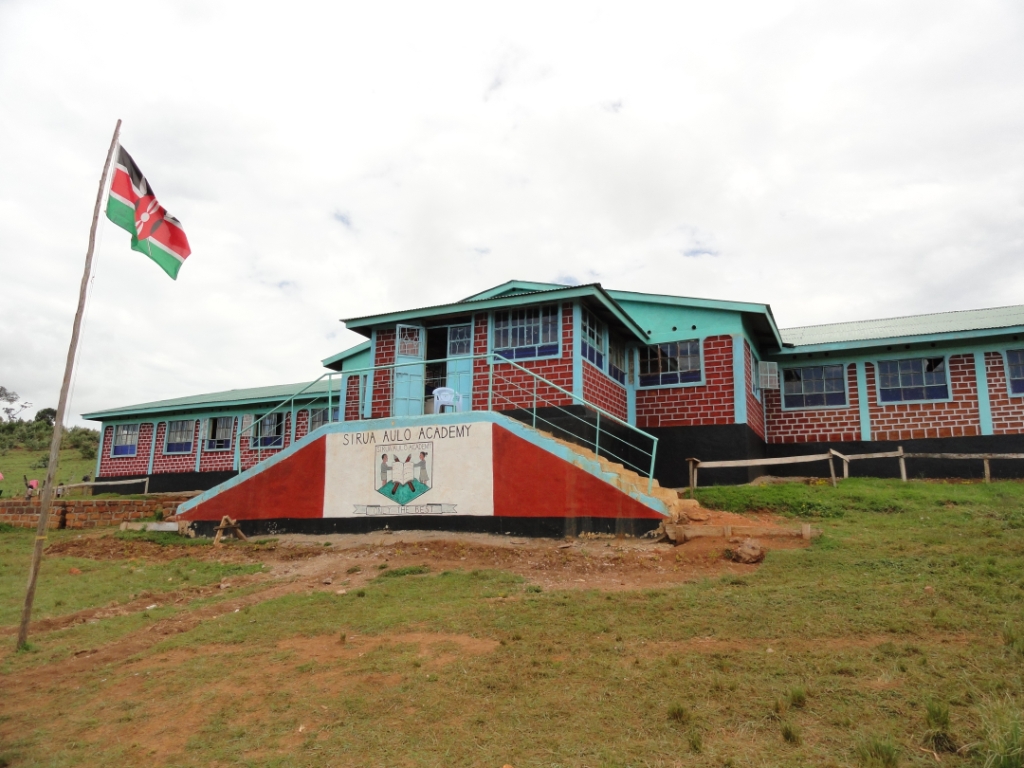
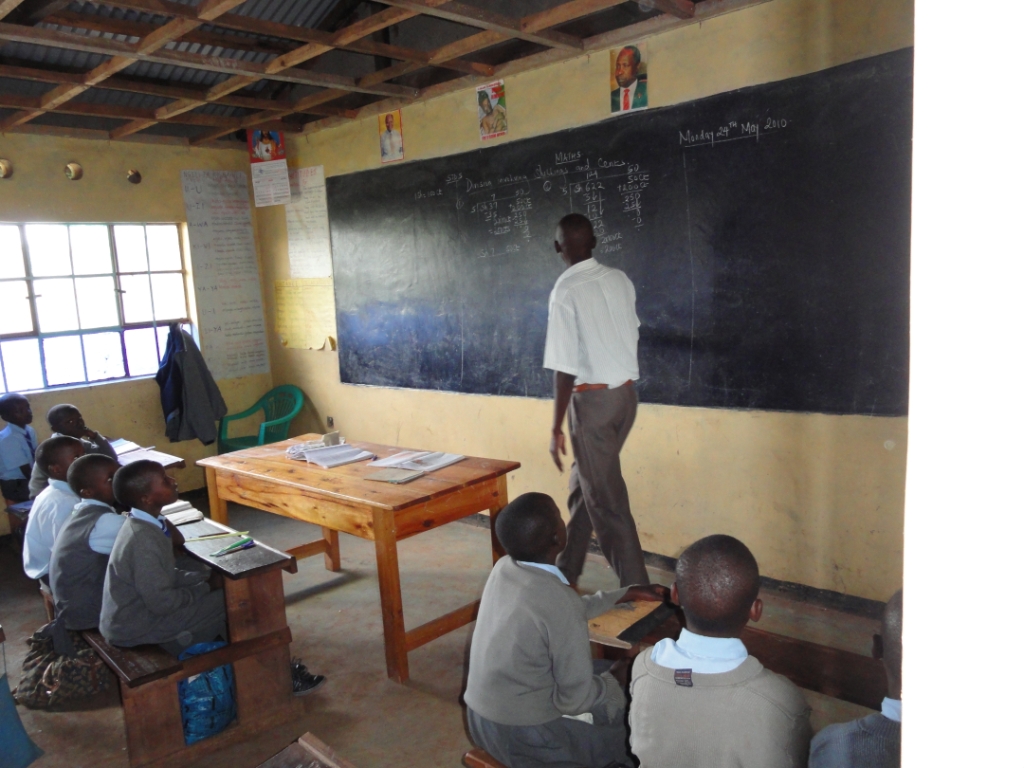
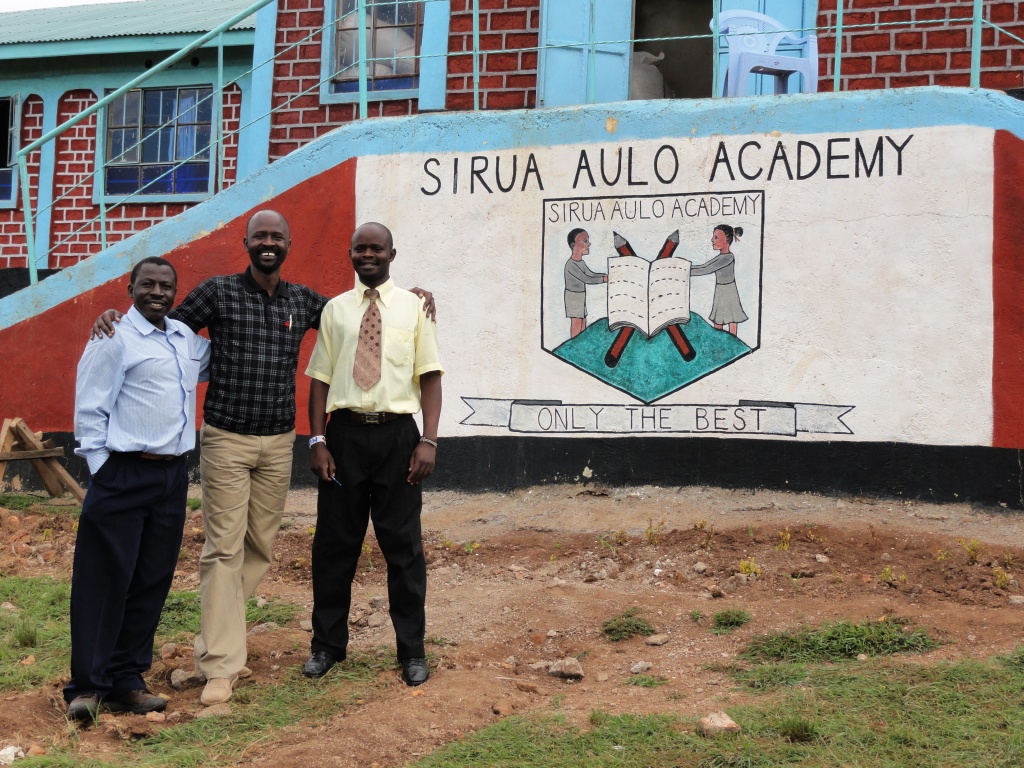
A few days ago I was lucky enough to stay in the home of one of the most interesting people I’ve ever met. Emmanuel is part of the Maasai tribe in Kenya. After becoming the first person in his village to attend university, he returned home and built a school so more Maasai can become educated and improve their lives. He’s currently building a health clinic and adult literacy center on the school grounds, and ultimately wants to build four more schools. Emmanuel doesn’t draw a salary from the school, and provides safari tours as a way of subsidizing the school and earning a living (www.karmakenya.com).
In fact, the school is operating at a pretty severe loss because many foreign donors pledged to sponsor students and then reneged when it was time to pay. Rather than kick out the students, Emmanuel just works harder at his second job to make sure the school stays afloat. While I was there, Emmanuel told me a few stories that I thought were just fascinating.
Amongst the many topics we discussed, I asked him about how he saves for retirement (trust me, it gets interesting). He said that his long term plan is to build an eco-tourism resort near the Maasai Mara game park on a 60 acre property he’s purchasing in installments. When I asked how he could afford to buy 60 acres of land, he said that he paid for half of it with cows. My next question was how did he get so many cows, and that’s where the story gets good.
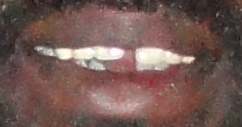
As it turns out, there’s a big Maasai ceremony when you turn 9 years old. At the ceremony, they pull out one or two of your bottom center teeth, and if you don’t cry, then everyone at the ceremony gives you a cow. Apparently the Maasai tribe used to commonly suffer from lockjaw, and the only way to get medicine into your mouth was to knock out a couple of teeth. These days lockjaw is less of a problem for them, but the tradition carried on. Emmanuel didn’t cry at his ceremony, and so he got seven cows.
Then a few years later, there’s a male circumcision ritual followed by 3 months of seclusion. When he returned from seclusion, there was another ceremony where he received seventeen more cows. Over time, his 24 cows reproduced, and eventually he had a large herd that could use to purchase the land.
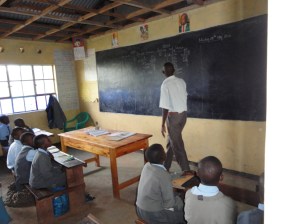
Tomorrow I’ll share another short story about Emmanuel’s family. If you or anyone you know is planning a safari vacation, I urge you to consider Karma Kenya. Emmanuel is an incredible guide and a fascinating and generous person. Plus the majority of the profits go to the school, so you can feel extra good about yourself. His nearly completed website is www.karmakenya.com. Be sure to check back tomorrow for more stories and on Monday for an update on the water kiosk project.
Also, check out more photos of Emmanuel’s school by clicking on the Flickr album on the right.
Share this:
Huge win for the Kibera water kiosk
Posted in Kenyan Culture, Kibera Water Kiosk Project, tagged Africa, clean water, Kenya, Kibera, water purification and storage on May 28, 2010| 1 Comment »
I’m sure local politics can be difficult to maneuver all over the world, but it’s particularly challenging in Kenya. Here local officials wield huge amounts of power, and one person can stop a project dead in its tracks. Fortunately, if you make a strong case (or know the right people), they can also shepherd a project swiftly through the system.
Today I used a friend of a friend of a friend to land a meeting with a District Officer in Nairobi. A District Officer is fairly high up in the local food chain, and I pitched him the water kiosk concept. I was delighted at how quickly he embraced the idea, and he asked if I could come back on Monday to meet with several other government officials. Assuming that meeting goes well, we’ll pitch the kiosk model at a formal committee meeting where the project will hopefully receive the official governmental go ahead.
The person who introduced me to the District Official is a great community leader who runs a micro-finance branch. He is also the chairman of a local community organization that runs a health clinic and several other programs. I feel very lucky to have found him, as he’s working with me very closely to gather allies and navigate the political process. I’ll update this post later with a picture of him and the clinic this weekend.
Definitely stay tuned for an update on Monday’s meeting. Also, make sure you check in for some fascinating stories about Maasai culture this weekend.
Share this:
Safari pics and water kiosk update
Posted in Kibera Water Kiosk Project, Personal Travel Stories, tagged Africa, clean water, Kenya, Kibera, market research, safari pictures, Travel, water purification and storage on May 27, 2010| 1 Comment »
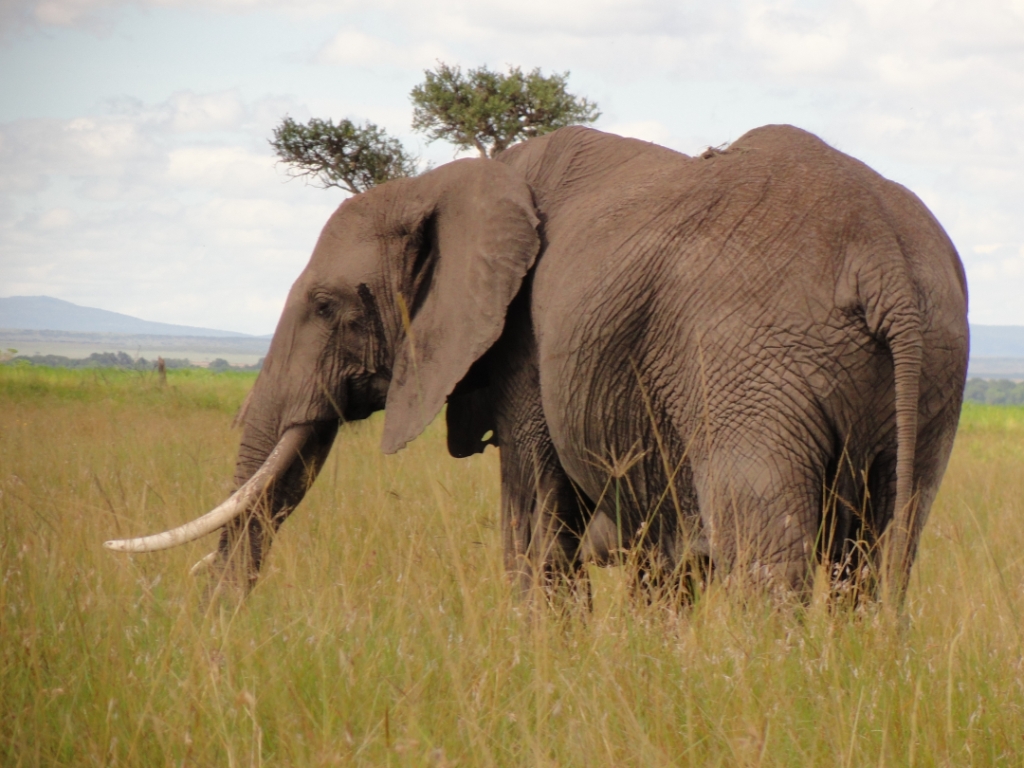
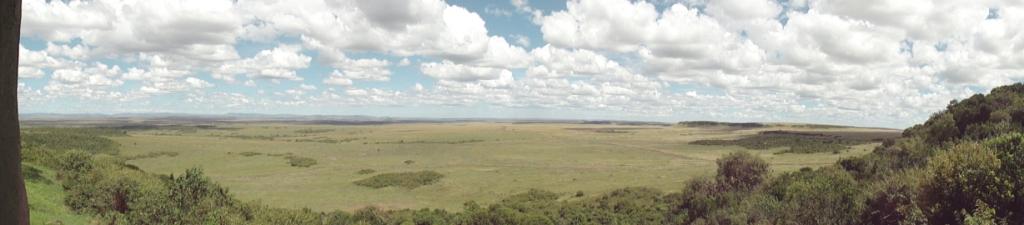
As promised, here are some pictures of the safari in Maasai Mara. I don’t want to clutter the Clean Water For All Flickr album with safari pictures, so I created a new album specifically for these. I’ll add more over the weekend. Some of my favorites are below.
http://www.flickr.com/photos/33468302@N02/sets/72157624009846655
Back to why I’m actually here, I spent the day back in Kibera to conduct more market research. After speaking with several residents, I’m still quite confident that the water kiosk model will be successful in Kibera. At first I was a bit nervous because most people I spoke with aren’t currently treating their water. Around Kitale, that was usually an indicator that they would not be interested in the kiosk model. However, the people in Kibera are already used to paying for water, and cholera and typhoid are constant threats. While many realize that the water is treated at the source, they also understand that by the time it goes through the pipes and they bring it home, the water could be recontaminated. In general, most were fine with paying 7 shillings per 20 liters, and some were okay up to 10 shillings. At those prices, I think the model is financially viable.
I had another great break when I met with Andrew, the branch manager of Jamii Bora, a micro-finance institution working in Kibera. Andrew was working on a slightly different kiosk concept with an organization called Microfinance Without Borders. I spoke with both organizations and they were extremely supportive of the idea. Andrew has offered to work with me to drive the project forward, starting with setting up a meeting with the District Officer of the area. If the DO supports the idea, it will make it much easier to proceed. Hopefully we’ll be able to meet tomorrow, in which case I’ll be sure to post an update.
Over the weekend I plan to post a few stories that Emmanuel told me about the Maasai culture. You don’t want to miss them, so make sure you check back soon.
Share this:
Caution: Hospitality ahead, Expect delays
Posted in Kenyan Culture, Personal Travel Stories, tagged Africa, Kenya, Travel on May 26, 2010| 17 Comments »
After a few days without internet access, I’m back in Nairobi and can resume my updates. I’ll have a post with lots of pictures of the safari soon, but first I wanted to share a few observations around Kenyan hospitality.
When a house guest comes for a visit, hospitality can kick into overdrive in Kenya. For virtually every meal I ate at someone’s home, not only would I be served first, but many times the children and even the other adults would refuse to serve themselves until I had at least started eating. Often the children and workers would eat in a second sitting after us. And trust me, the other volunteers and I tried insisting that they eat with us, but we were rarely successful.
I thought the level of adherence to hospitality customs was particularly interesting when I arrived at my latest host’s home. As you may have seen in my last post, my former host, Joshua, had major car problems on our trip. When we finally made it to our destination the next morning, my new host (Emmanuel) asked if Joshua could spend the day with us, but he politely explained that he needs to get his car fixed and then spend another 8 hours driving home. Before he could get on the road, they first sat down for tea. After tea, we all went to take a “quick” tour of Emmanuel’s school (both Joshua and Emmanuel run schools in Kenya). After a very interesting but thorough tour, we of course had another round of tea. That was followed by a short presentation by the students. At that point it was lunchtime, and of course we couldn’t send Joshua off without lunch. While we arrived that morning around 8:30 am, Joshua didn’t end up starting work on the car until early afternoon and finally hit the road around 2:30 or 3:00 pm. What I found most interesting was that not only did Emmanuel keep politely offering things, but Joshua kept politely accepting. I suppose it would have be considered rude for either of them to have acted any differently, even though they both knew Joshua had a long trip ahead of him.
I’ve encountered this custom several times while at the villages as well. Often after meeting with a women’s group, there was no way I was leaving without drinking at least two cups of tea and eating something. Even once when a storm was clearly about to hit, we still stayed for almost an hour, resulting in us standing in a random barn for 30 minutes on our way home to escape the torrential downpour. Overall I think it’s a nice custom, but be forewarned that there’s no such thing as a “quick visit” in Kenya.
I’ll be continuing work on the Kibera water kiosk model over the next several days, but I’ll also post a link very soon to some of the 250 pictures I took on my safari yesterday.
Share this:
Categories
-
Join 40 other subscribers
Donate Now
To donate to this amazing program, visit:
https://lifeforcekiosks.org
All donations are tax deductible and are greatly appreciated.
Flickr Photos
Blogroll