Feeds:
Posts
Comments

Yesterday I conducted my last set of field interviews in the Kitale region.  This time I spoke with several people in one of the slums right outside Kitale.  While the living conditions are quite poor, the level of sanitation is fortunately far better than Kibera.  In the Kitale slums, most people are getting their drinking water from a tapped stream, which costs 1 shilling per 20 liters.
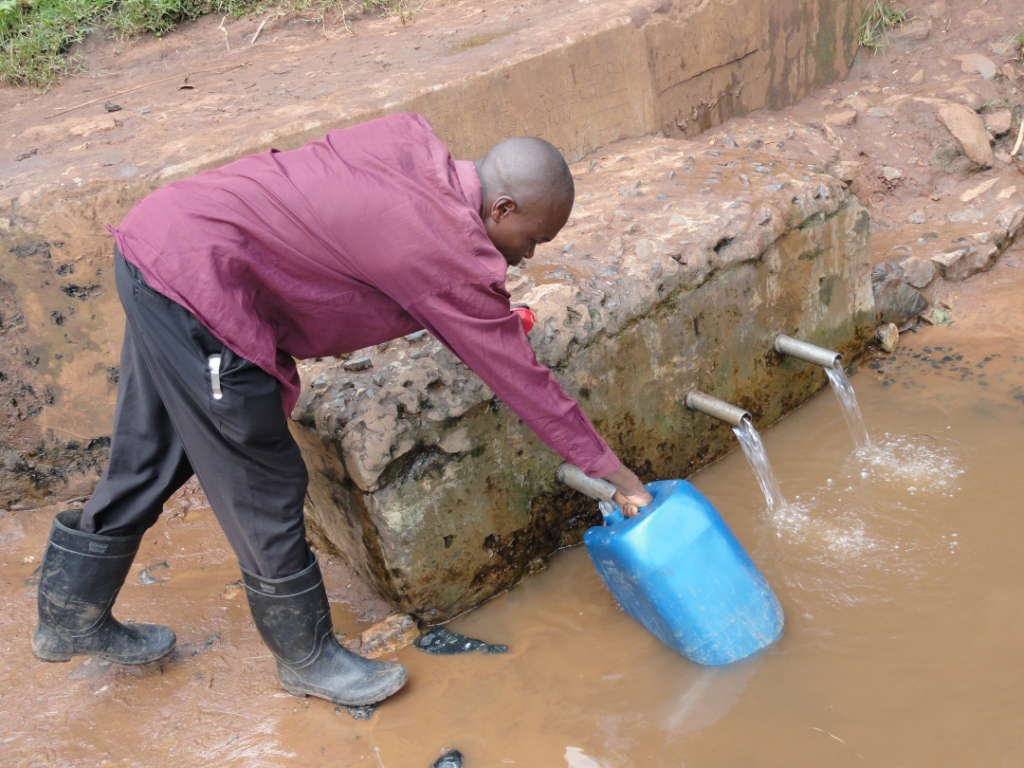
Kitale slum water

Kitale slum water

Interestingly, many of the residents here do boil their water at an average cost of 50 shillings per 20 liters.  Once I heard that, I had little doubt that people in this area would be interested in the water kiosk model.  This was confirmed with the overwhelmingly positive response to the idea by the majority of the residents.  Several tried to haggle on the price of the water, which I said would be 10 shillings per 20 liters.  I was actually quite excited to see them trying to negotiate the price, as I don’t think they would have spent the time and energy to do so if they weren’t legitimately interested in the idea.  In reality, I hope to charge closer to 5 shillings per 20 liters, but it would be nice to be able to charge up to 10 if needed for financial viability.  Of course the goal is to charge as low a rate as possible while operating profitably.
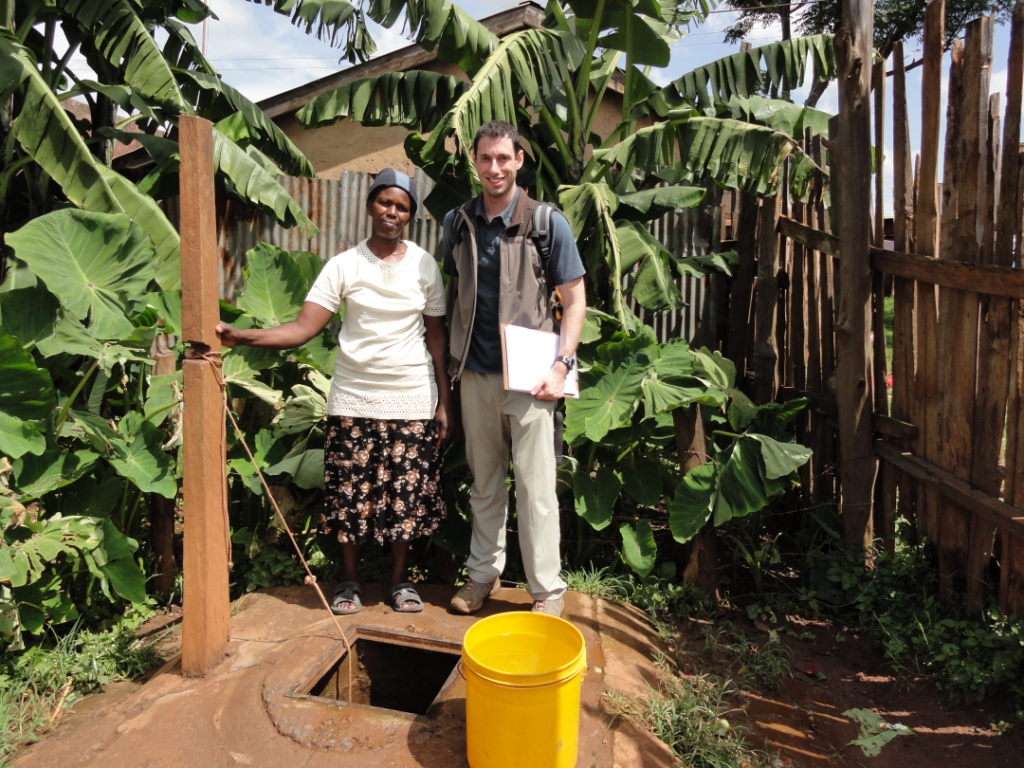
Kitale interviews

Kitale interviews

I still have additional interviews to conduct in Kibera, but it looks promising that the kiosk model may work in poor, urban areas where people already pay for water and treatment.  The next step is to determine the best business model for the kiosk.  My original thought was that that each kiosk owner would get a micro-finance loan and operate fairly independently.  When I had difficulty getting in touch with MFI to help with a pilot, it made my consider alternatives which may be even better.  My revised concept is more of a franchise model, where a centralized management team would be responsible for purchasing equipment in bulk, conducting community marketing, and providing training and quality control for the kiosk operators.  Rather than paying interest to an MFI, they would instead make payments back to the company that would be used to pay the overhead costs.
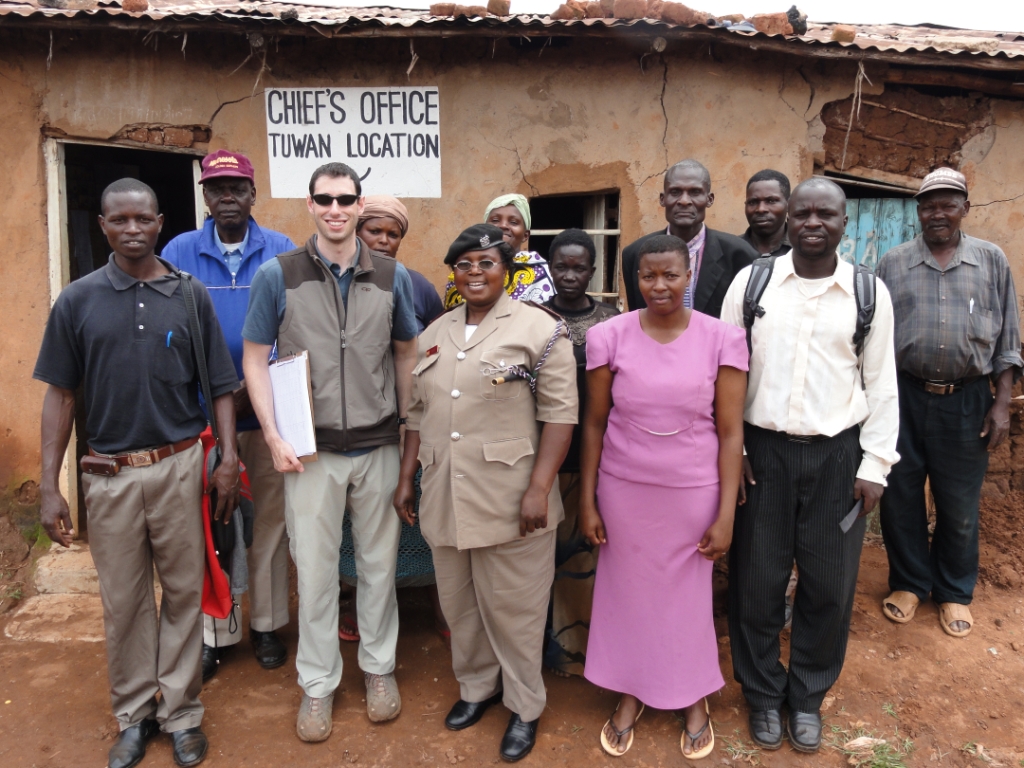
Kitale interviews

Kitale interviews

I see multiple advantages to the franchise model.  If kiosk owners all worked independently, nobody’s profit would be large enough to invest in things like marketing.  Together, they can raise awareness that benefits the whole kiosk network and the community in general.  Further, most kiosk owners don’t have the business training to properly perform activities like marketing, process improvements, and new product development.  They also don’t have enough power as individuals to get advantageous terms for funding and purchasing.  A centralized management structure can also help ensure that kiosk operators don’t run scams and sell untreated water through random water testing and process audits.  Lastly, instead of leaking a relatively large percentage of the profits to an MFI, it is  reinvested in the business which promotes growth. Obviously not every person has the skill set and motivation to be the CEO of a company, but in Kenya that is often your only choice if you want to work.  This model properly aligns different skill sets with the work that needs to be done.
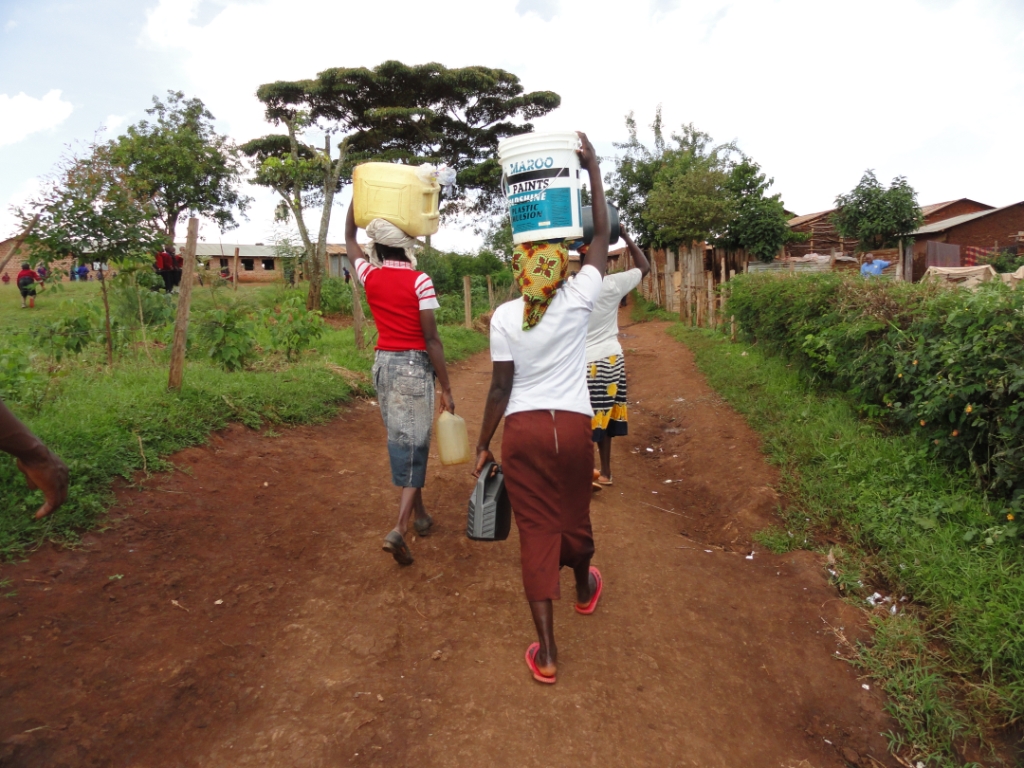
Women getting water in Kitale slum

Women getting water in Kitale slum

There are a few distinct disadvantages of the franchise model compared to operating independently.  The largest by far is the involvement of the Kenyan government.  It’s relatively easy to sell fruit (or water) out of your home or in a small individual kiosk.  When you’re talking about a larger company, suddenly you have to factor in government approvals and “fees”.  The second problem is that the margins in this business are necessarily slim, and therefore a large network of kiosks must be established before the overhead costs of management salaries can be supported.  Even paying for just one Kenyan manager, which is what I would anticipate in the early stages, would be nearly impossible without initial subsidies.  The third problem is regarding capital.  We would need some.  For the model to have any chance at success, initial capital will likely have to come in the form of donations since there wouldn’t be enough profit to cover overhead expenses plus principle and interest payments.  Fortunately I don’t think the business would need a huge amount to get off the ground.  It depends largely on the size of the community and how many kiosk partners we take on initially.  My estimates show a cost of about $120 per vendor for equipment, $2,400 for the manager’s annual salary, plus unexpected costs such as government fees and other random start-up expenses.  I’m sure there are other costs I haven’t yet thought of as well.
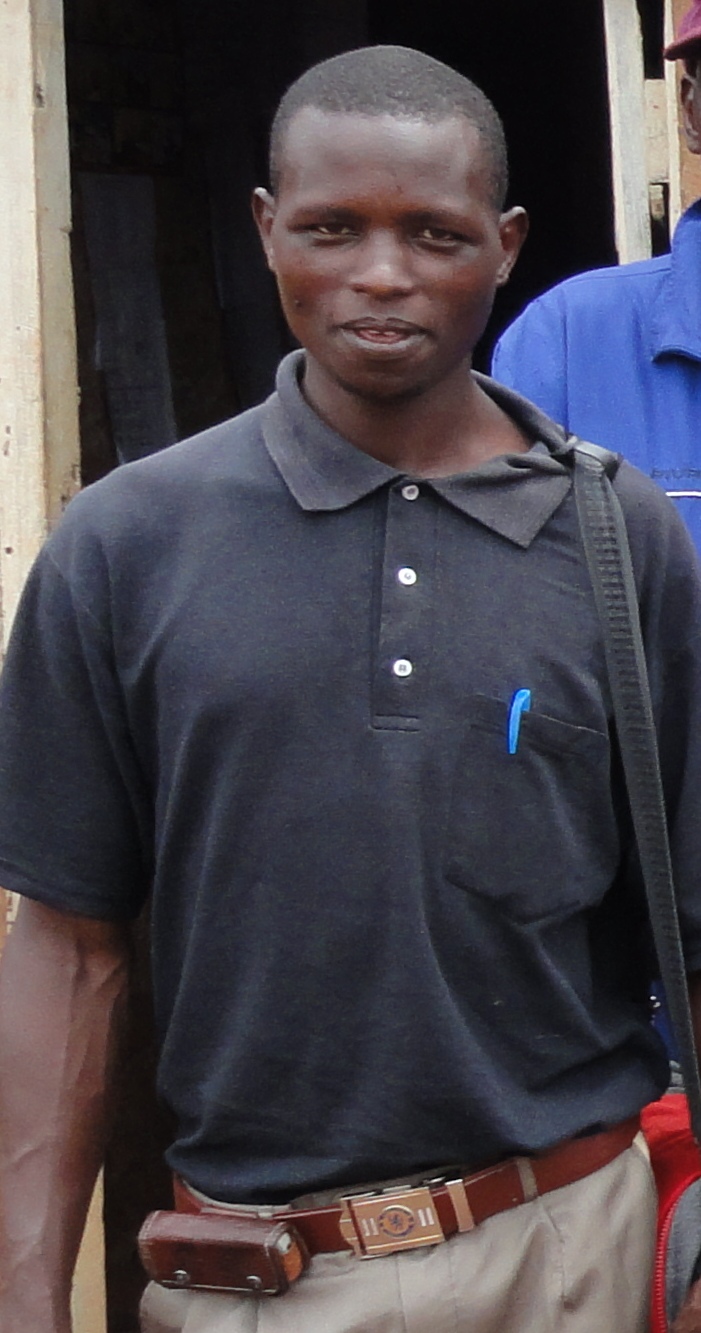
Steve Mumbwani

Steve Mumbwani

I’m very happy to have met a potential candidate to serve as the manager of the clean water kiosk franchise.  Steve Mumbwani is one of several college students that has been interning here at Common Ground with a focus on community development.  After Steve finished high school, he worked for six years to save up enough money to put himself through college.  I’ve found him to be charismatic, intelligent, and a strong leader.  Steve was one of my interpreters in the field interviews, and it was always fun to watch him convince people on the need for clean water after the interviews were completed.  On multiple occasions, people that previously had never treated their water asked if they could buy a filter right then and there after speaking with Steve.

Stay tuned for further updates as we hash out the kiosk model.  As always, I welcome your feedback and suggestions.
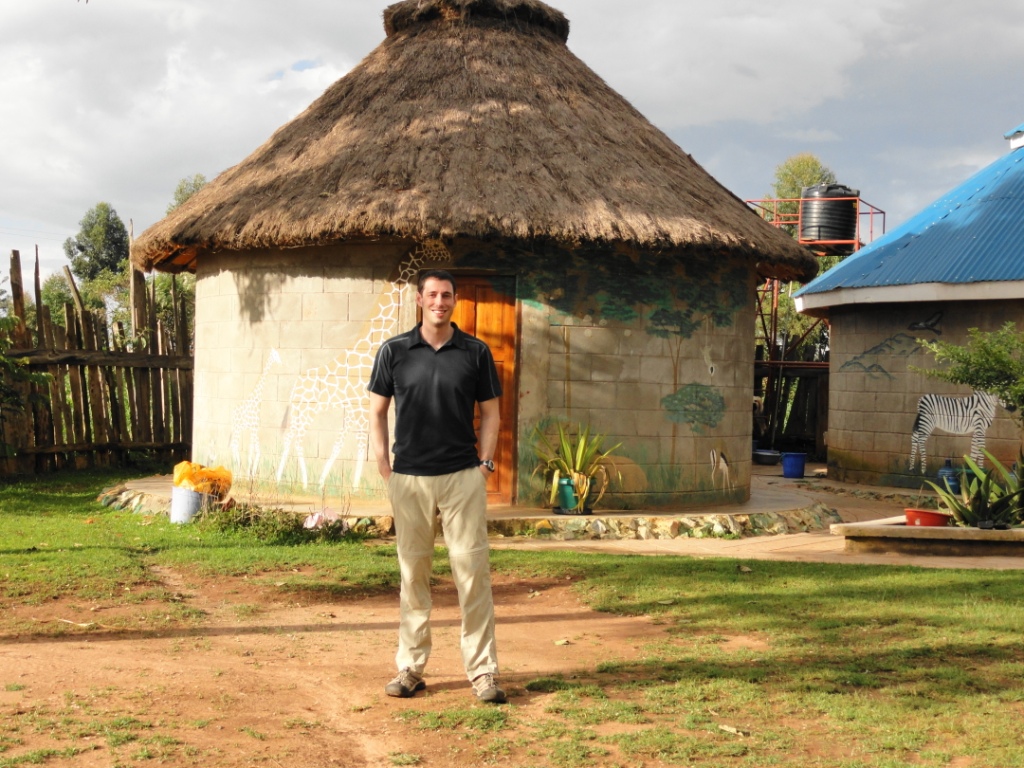
Jeremy in Kenya

Jeremy in Kenya

I’m very excited that after roughly one month, today the Clean Water For All blog went over the 1,000 views mark.  I’ve received a lot of very positive feedback about the posts, the pictures, and the work I’m doing here in Kenya.  I’m really quite flattered that so many people are following along and are engaged in the project.

While I had another great day in the field conducting interviews in the slums outside of Kitale, I’m going to hold off on the write-up until tomorrow.  Instead, I thought I’d celebrate the 1,000 views by posting a bunch of new pictures.  If you go to the “more photos” link under the Flickr section on the right, you can find the 20+ new pictures or catch up if you haven’t seen the full 134 picture album.

Caleb on motorcycle

Caleb on motorcycle

Here are a few of my favorites from the past few days.  Enjoy, and thanks again for following along.

-Jeremy

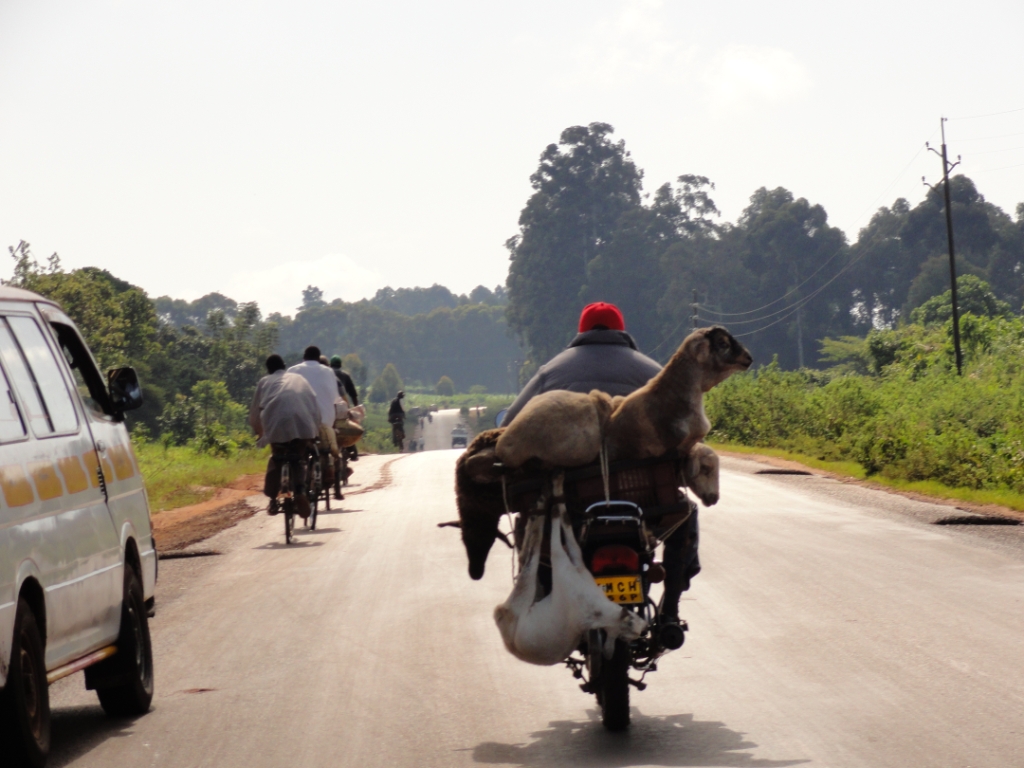
3 sheep on a motorcycle

3 sheep on a motorcycle

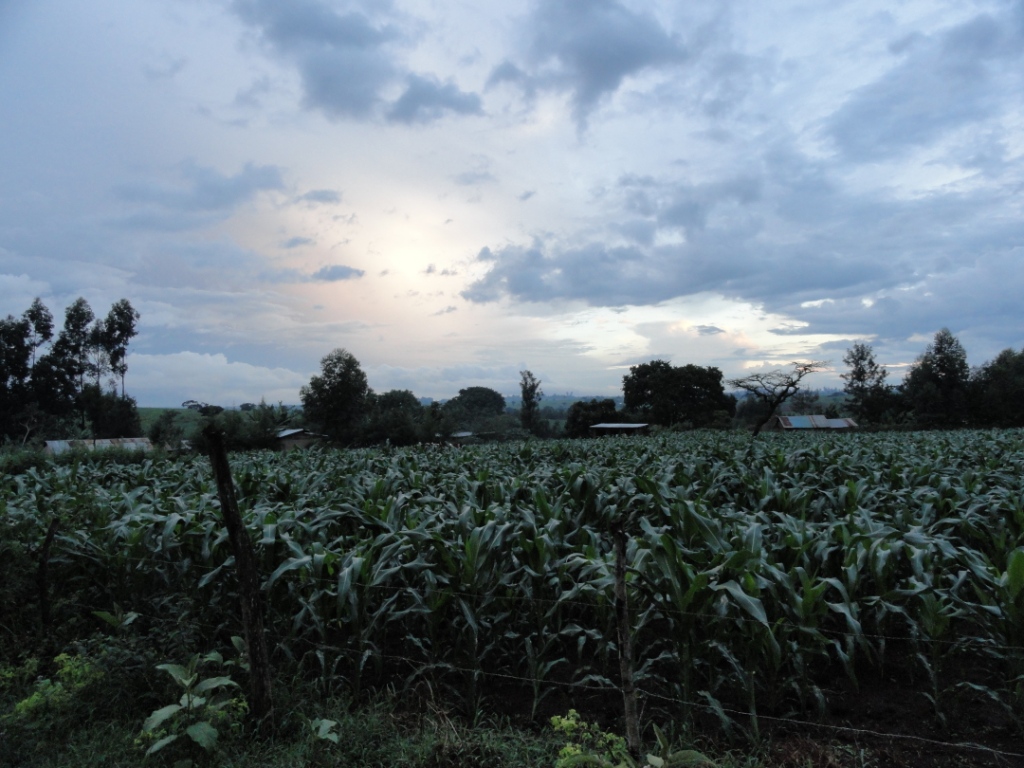
Kenyan landscape picture

Kenyan landscape picture

Kenyan kids

Kenyan kids

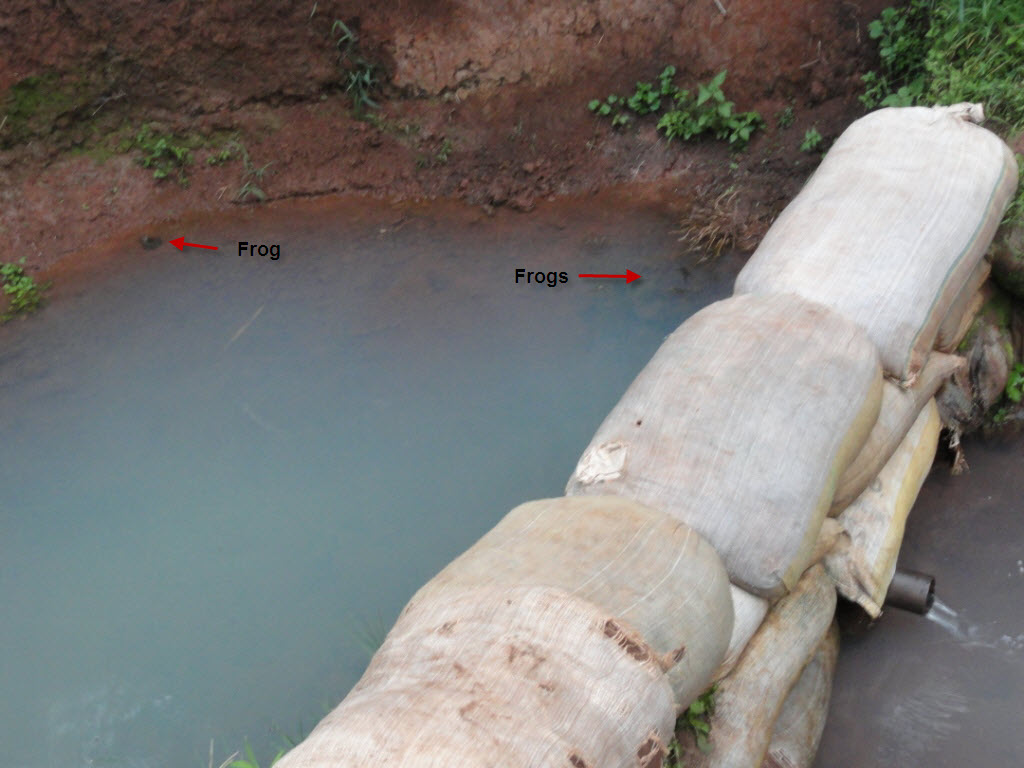
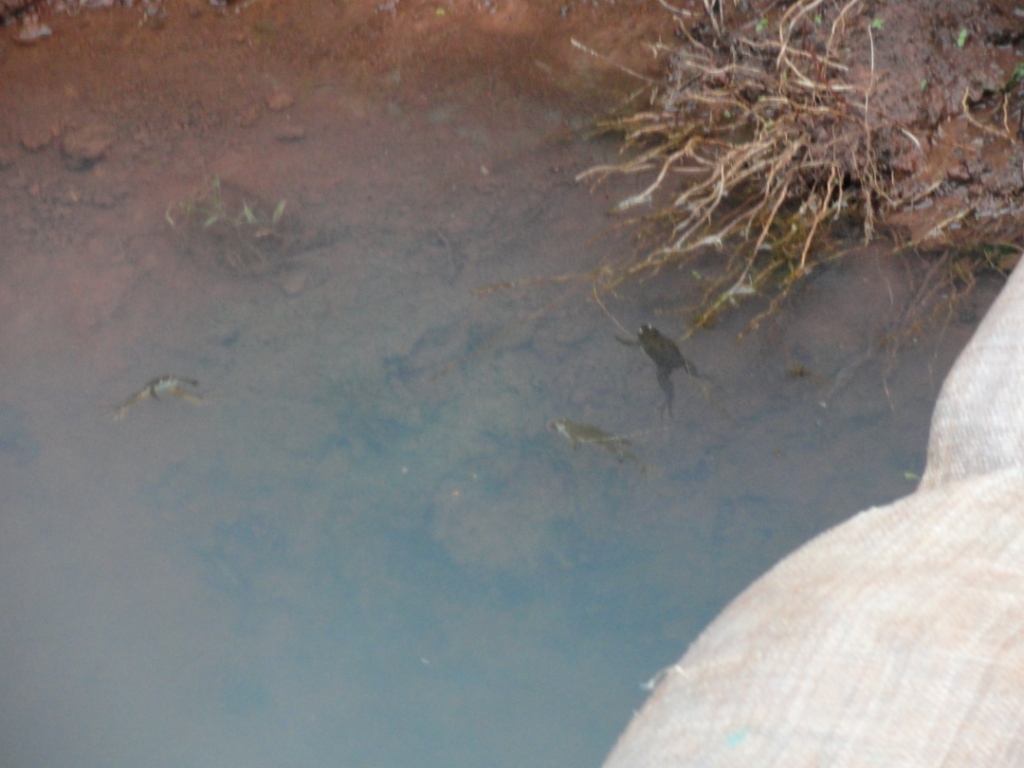
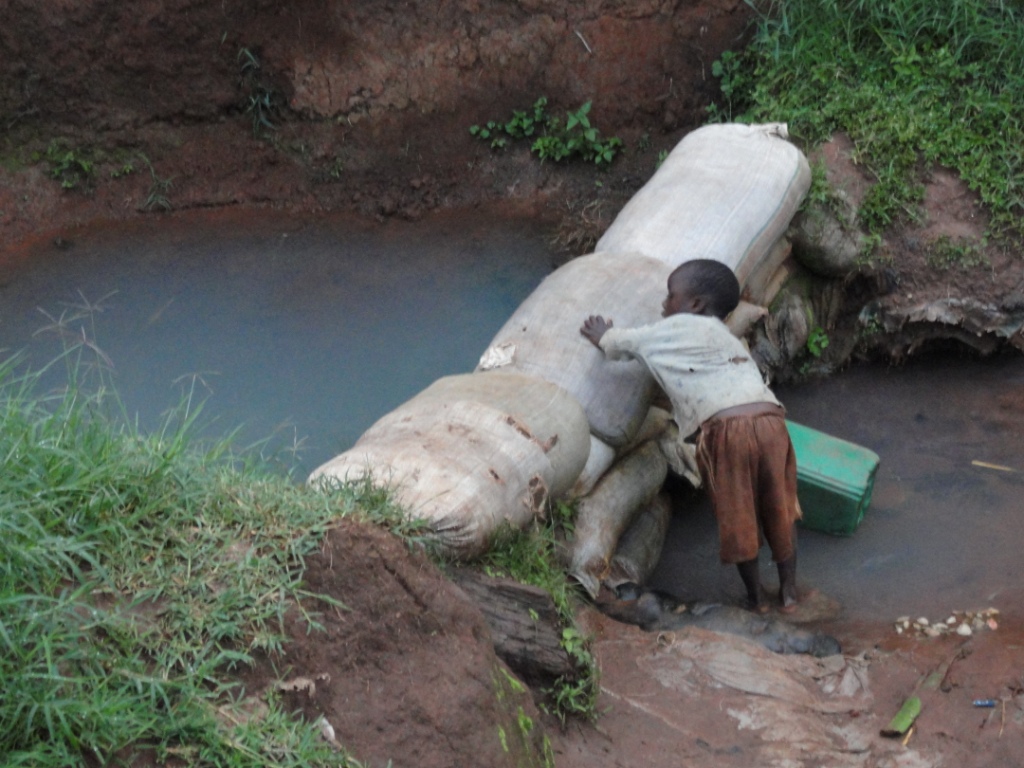
We were walking through the village where I’m staying last night and came across the stream where many locals get their drinking water.  As you can see in the pictures below, the stream contains a makeshift dam with a pipe in it that acts as a faucet.  This is known as an “improved” water source because in theory it prevents animals and people from contaminating the water.  However, as we stopped to look at the stream, we noticed several frogs (along with quite a few bugs) happily swimming in the water.  Not more than two minutes later did a little boy come by to take water from that stream.  Not that I had any doubts about why this program was necessary before, but times like this really reinforce how truly important it is.

Frogs in the drinking water

Frogs in the drinking water

Frogs in the drinking water

Frogs in the drinking water

Boy getting drinking water in Kenya

Boy getting drinking water in Kenya

Trying to craft an advertising strategy has been an interesting experience in Kenya.  The marketing channels are far more limited than in the US.  E-mail, direct mail, search engine marketing, magazine ads, and event sponsorship are all unavailable.  Television ads are both prohibitively expensive and not terribly useful to reach a large population that doesn’t own a television (or certainly doesn’t watch it as much as Americans).  After spending a lot of time observing what works in Kenya, it seems one of our best options is plastering the area with signs.

We’ll likely use a combination of large road side signs placed on the main road, along with hundreds of small signs that we’ll provide to shops that sell our filters.  Here are some mock ups of potential road side signs.  If they seem very simplistic, it’s because they are.  Advertising here is generally very basic and to the point.  In fact, the most common way to produce a sign around Kiminini / Kitale is to have it painted by hand.

Road side sign 1

Road side sign 1

Of course, like all marketing, a single channel is not nearly as effective as an integrated multi-channel campaign, so these signs will reinforce the messages we’re promoting through live market demonstrations, community group presentations, educational fliers, and more.

Road side sign 2

Road side sign 2

Road side sign 3

Road side sign 3

Road side sign 4

Road side sign 4

Road side sign 5

Road side sign 5

Road side sign 6

Road side sign 6

The interviews are just about done.  The competitive research is complete, as is an assessment of viable marketing and distribution options.  After several weeks in Africa and many weeks of research ahead of time, I’ve put together a 2.5 page document outlining the key findings and recommendations for the water filter marketing strategy.  I’ve previously posted several key findings and won’t repeat them now.  Instead, I’ll just include an excerpt of the recommendations.  If you’d like to see the full document, just let me know and I’ll be more than happy to send it your way.  I’d love to hear your comments on the recommendations below.  Tomorrow I’ll post the sample road side signs.  Also note that new pictures are available through the Flickr link on the right.

Key Recommendations

Promotion – Overall the biggest barrier to mass adoption will be lack of awareness, which can be overcome with continuous marketing efforts

1. Traditional advertising

  • Roadside signs
  • In-store signs (similar to Safaricom’s “Top up here”)
  • Flyers / brochures
  • Joshua’s radio program

2. Community presentation

  • Community / Women’s groups
  • Churches
  • Schools

3. Market demonstrations (live performances / demos)

  • Kiminini Market
  • Kitale

Distribution – A broad distribution network is required to reach a relatively disbursed population, especially given the need to pay in installment

  1. Dukas in Kiminini, Kitale, and in villages will likely be the primary distribution channel given the quantity of dukas and their ability to sell in installments given their personal relationship with customers
  2. Direct sales – We can hire and train commission-based salespeople to sell the filters directly to individuals.  These people can also give community group presentations and market demonstrations.
  3. Allow doctors and health offices to sell the filters.  In addition, if allowed by law, it would be great to check with the medical community to see where cases of typhoid are being reported so we can quickly target those communities (legitimate fear of typhoid is a huge and valid motivator)
  4. KCP could sell directly, but I recommend against undercutting the market on price.  We can set the price we would like to see in the market, but undercutting dukas jeopardizes those relationships and will drastically reduce coverage.
  5. Community groups can help members purchase filters in two ways
    1. Groups can establish a filter merry-go-round fund where x members contribute Price/x shillings every 2-4 weeks to purchase a filter for one member.  The process is repeated until all members have a filter.
    2. KCP can sell filters to the community group either for cash or on credit, and the group can sell to its members using whatever terms they prefer.  Selling to a community group on credit is less risk for KCP due to the social pressure to repay, potential joint liability, and greater ability to find and repossess filters from people who default.

Price

  1. We should sell the filters at the lowest price that allows KCP to operate at a minimum of break even plus profit used to invest in plant maintenance, financial reserves, and fair employee compensation.
  2. If KCP sells directly to individuals, we can set a fair price but should not undercut the 10-15% markup required by our distribution partners.  The 10-15% amount was obtained from Khetia’s (largest store in Kitale) staff, but should be validated with the duka network.
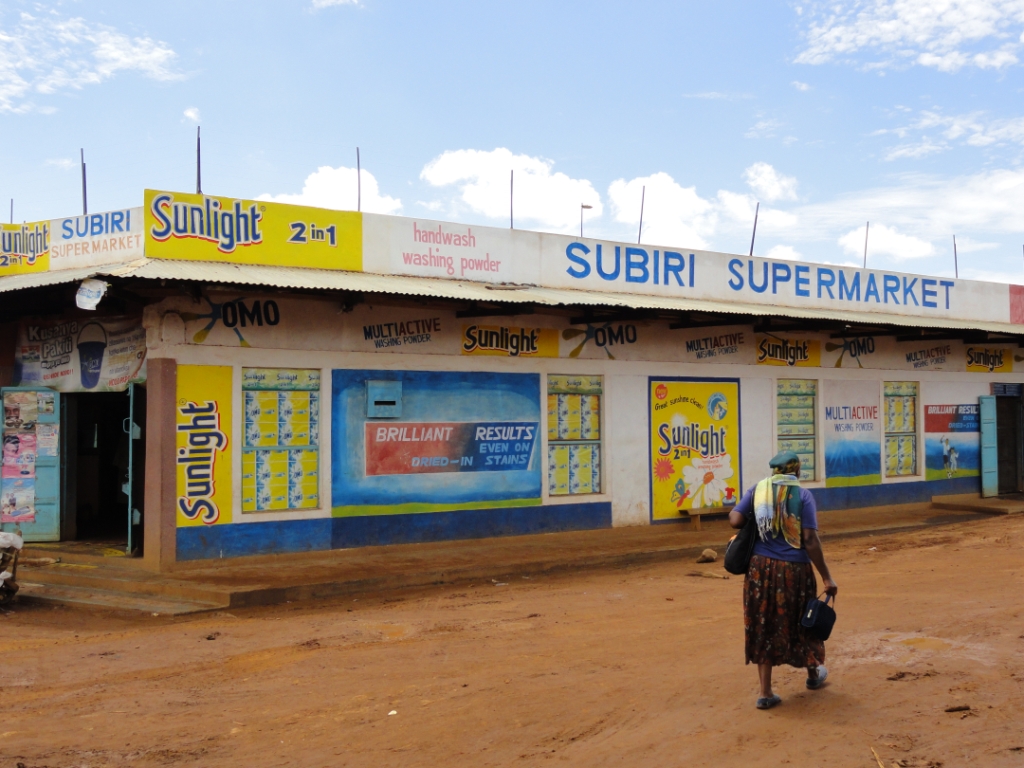
  3. It will be critical for us to be able to advertise that the filters are available for purchase in installments.  As such, dukas selling the filter should be told of this expectation, and we should consider not using dukas who refuse these terms.  Exceptions should be made for larger stores like Khetia’s and Subiri supermarket.

I like to take at least one weekend day to write about something non-work related.  Today, I thought I’d teach you how to respond to 80% of the questions you’ll be asked if you ever visit Kenya.  What’s more, I can do that with just one word, Mzuri.

Random Kenyan boy

Random Kenyan boy

You see, at some point in every Kenyan child’s life, somewhere around the age of 3 or 4, they’re apparently taught what to say if they ever see a Mzungu.  That phrase, which must be yelled with tremendous enthusiasm is, “How are you?”

After you answer with Mzuri, which means good, the next question will always be, “How are you?”   The following question will usually also be, “How are you?”   In fact, it’s pretty common for a group of children to repeatedly yell that over and over, regardless of what you answer, until you’re out of sight.  Of course, they may also decide to join you and wander a mile down the road while holding both your hands.  One kid who was maybe 5 years old saw me from a good 50-75 yards away and after shouting, “MZUNGU!”,  went into a dead sprint until he caught up with me.  At which point he asked, “How are you?”

Of course, if you really want to freak them out, you could respond back with something like, “Mzuri.  Habari asabuhi?” (Good.  How are you this morning?).  At that point, some will answer you with “Mzuri”, but others will burst out laughing and start yelling that there’s a Mzungu speaking Kiswahili.  By the way, if a Kenyan is laughing at you and you ask what they’re laughing at in Kiswahili (Unachecka nini?), they won’t answer you and will instead just laugh more.

Kenyan children

Kenyan children

Tomorrow is Market Day in Kiminini, when there are live performances to promote products.  I’ve seen these in passing, but have never gone to check them out up close.  Weather permitting, I’ll head over tomorrow and take some pictures.  I also hope to show some of the marketing mock ups for the water filters, so make sure to come back and see them.  In the meantime, enjoy your weekend.

Today was the first day of interviews in the urban area of Kitale.  I met with a women’s group in the slums of Kitale, a group of mechanics, some shopkeepers, and several random people we just stopped to speak with for a few minute.  It turns out that while there were a few new issues that came up, the general mindset and decision making process was pretty similar to the people in the villages.  I’ll discuss this a bit further over the weekend, but I’m a bit under the weather and am going to bed early today.

This weekend I’ll also write at least one fun, fluffy post about the children of Kenya.  I’ll also post some new pictures, so make sure you check back soon.

After 4 days  and a lot of walking, I’ve completed the village interviews.  I still plan to conduct several urban interviews in Kitale and Nairobi, but the answers from the villagers were consistent enough that I feel satisfied in drawing some conclusions.

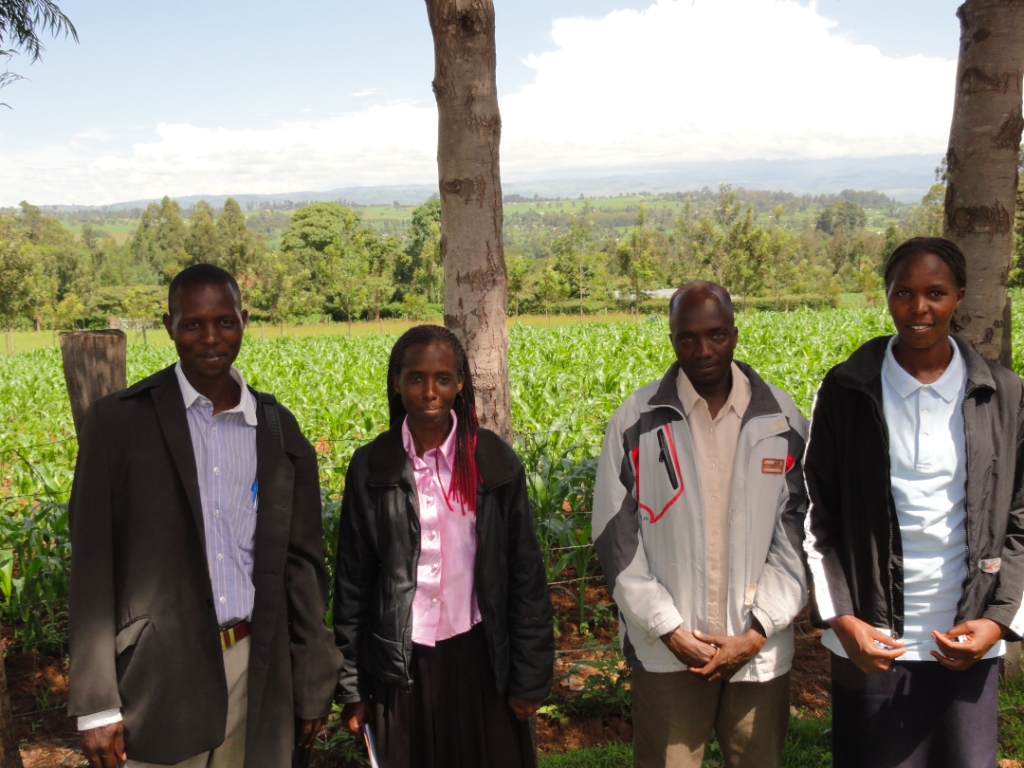
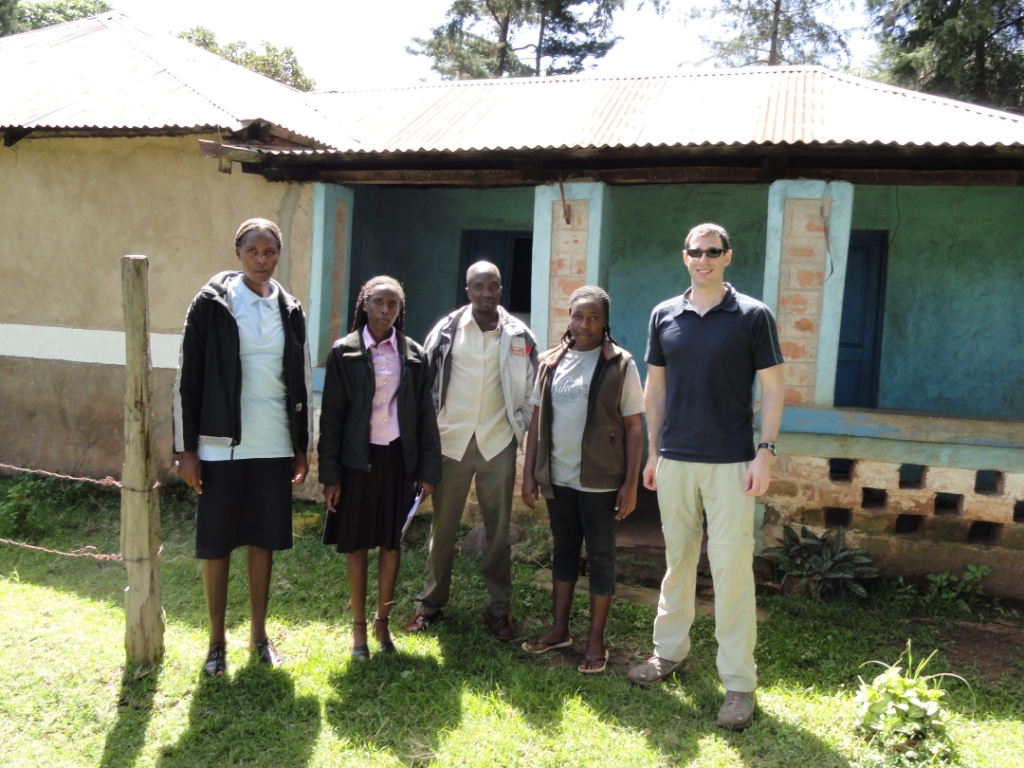
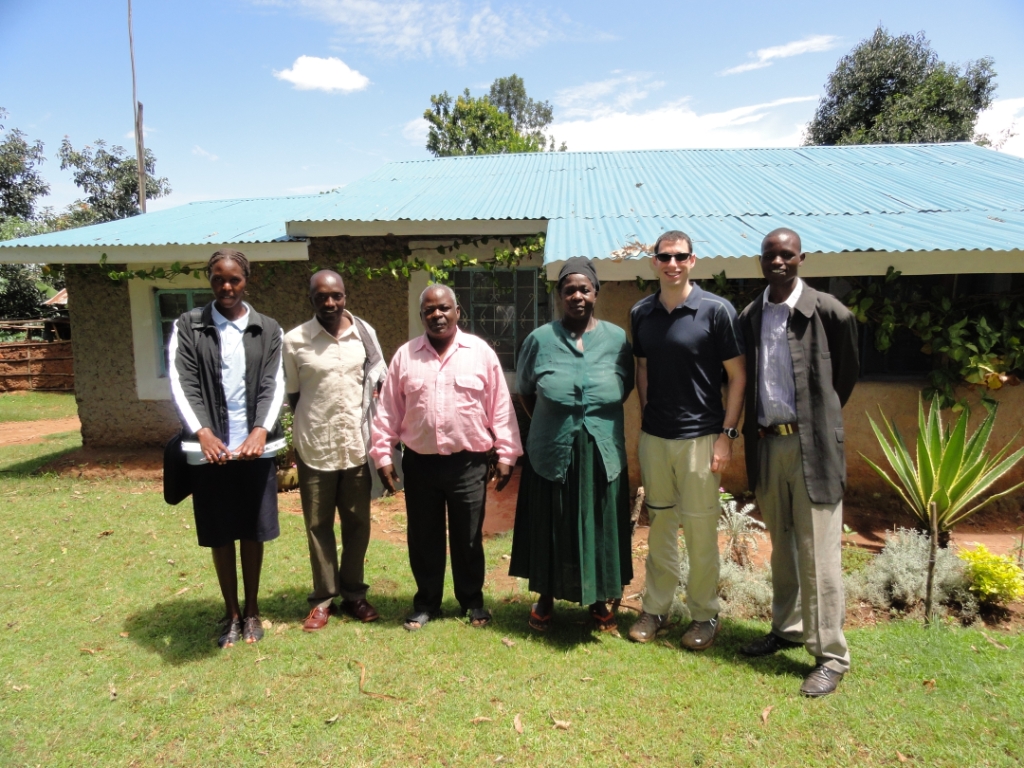
Kenyan interview team

Kenyan interview team

The first key finding is that all the points I listed back in May 6th in the “Village Interviews – Day 2” post have consistently held up across the remaining interviews.

Here are some of the most important conclusions from the village interviews:

1.  People usually treat their water out of a direct feat of typhoid, either because they personally, their family, or their neighbors recently contracted the disease.  Just the general risk of getting sick is often not enough of a factor to make people look into treating water on their own.  In most cases, the decision to either boil or use chlorine was based on the recommendation of a doctor, so marketing to the health offices and regional doctors will be critical for mass adoption.  A public awareness campaign to teach people that clear water doesn’t mean clean water might help to get some new people to treat their water, but it won’t convert everyone overnight.  Another effective strategy may be to meet monthly with local health offices to see which villages are experiencing outbreaks of typhoid and then sending in a sales representative to target households in those areas.  That way we can reach people when they’re most concerned and hopefully prevent new cases of typhoid from occurring.  Group presentations in those areas would also be a good idea.

Kenya village interviews

Kenya village interviews

2.  Most people don’t consider new alternatives to water treatment, but are open to considering them once they hear about them.  Along those same lines, most people are operating under the false assumption that water treatment is prohibitively expensive.  The looks of shock, surprise, and glee that I saw during several interviews when I told people about the price of WaterGuard would be hard to fake.  In many cases people are paying five to ten times more for firewood than they would for WaterGuard or a filter, but assumed that boiling is the cheapest method.  As such, ongoing marketing including roadside signs, fliers, market demonstrations, and village presentations at churches and community groups will all be valuable in raising public awareness of the filters.  I do believe that once people are made aware of the long term cost effectiveness compared to boiling or contracting typhoid, many people will buy the filters.

Kenya village interviews

Kenya village interviews

3.  Numerous distribution channels will also be key to the successful adoption of filters.  Several shops have already agreed to sell the filters in installments, which is absolutely critical to making the filters affordable to the poorest Kenyans.  Even the people who probably could pay all at once still strongly preferred paying in installments.

Selling the filters to community groups also has a lot of promise.  These groups are very common in the villages, and are often based around financial services like savings and lending.  These groups could start what is known as a “merry-go-round” specifically for filters, where everyone in the group contributes enough so they could buy one filter.  They then repeat that process every 2-4 weeks until everyone in the group has a filter.  The other way to leverage these groups is simply to sell them to the group, possibly on credit, and then the group can sell to individual members on their own terms.  Selling to the groups greatly reduces default risk, as there is high social pressure to repay and in some cases the groups may agree to joint liability.

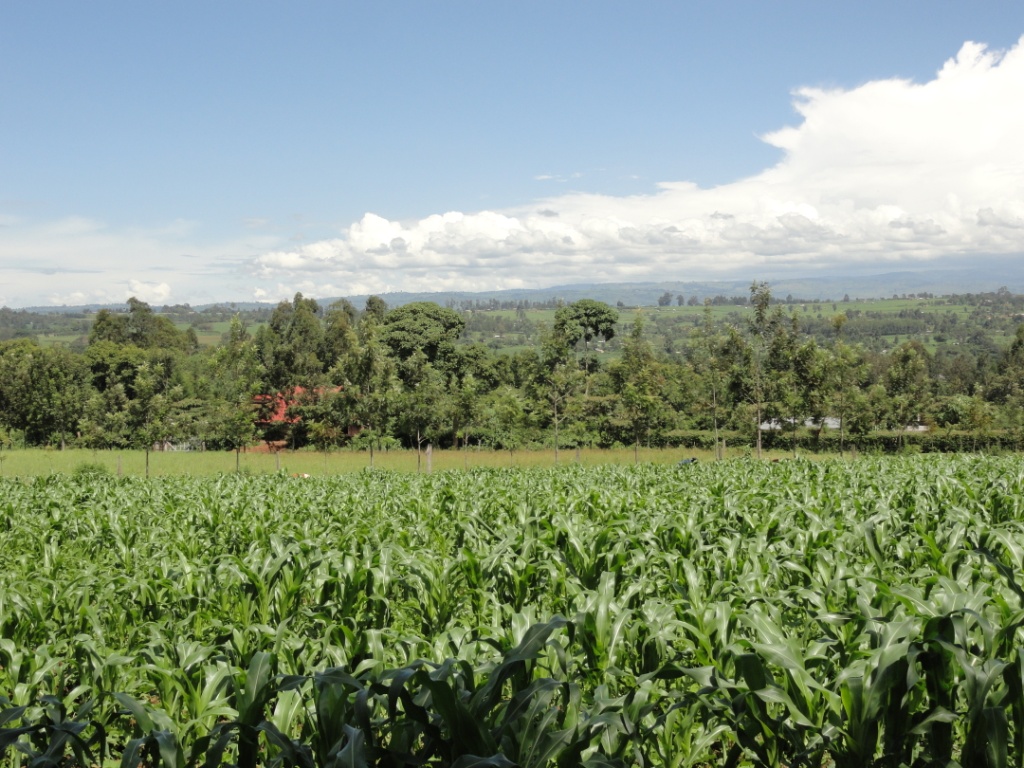
Picture of scenic Kenya village

Picture of scenic Kenya village

The third potential channel that has been discussed is a network of commission-based sales representatives that could travel through the villages selling the filters.  The obvious benefits here are that it lets us provide more education directly to the customers and it increases local employment.

4.  My kiosk model was not well received at all in the villages.  I’m not at all upset by this news, as I learned right away not to waste any resources on developing the model for rural areas.  It will be interesting to see the reaction of additional households in urban areas.

I hope you enjoyed reading the findings from the village interviews.  I’ll post the findings from the urban interviews in the coming days.  I’ll also be posting some pictures of draft marketing collateral like signs and brochures in the near future as well.

Today we reached a key milestone towards the successful distribution of the water filters.  Along with one of the factory staff members, I went to speak with several shop owners in Kiminini market to gauge their interest in selling the filters.  Not only were they very excited about selling them, but they also said that selling them in installments would be no problem at all.  The installments are a critical component, as most villagers said they wouldn’t be able to (or wouldn’t want to) pay 1,000 – 1,500 shillings all at once.  Putting up signs and posters in their shops is fine as well.

Kiminini, Kenya Supermarket

Kiminini Supermarket

I have the say that while there may be a lot of problems with business in Kenya, I do love the lack of bureaucracy (so long as the government isn’t involved).  We were able to speak directly to the shop owner (often the only person working in the shop).  At the end of the conversation, several owners asked if they could have some now so they could start selling them.  No checking with procurement, legal, and a host of VPs all with their own agendas.  They just thought it was a good product that their customers would like and they were ready to go.  Very refreshing.

We spoke with the largest pharmacy and the largest supermarket, as well as several smaller shops.  The more shops we can get into, the better.  This will keep the pricing competitive, increase our brand awareness, and help ensure that most people can get the filter with a shop keeper they know and trust.

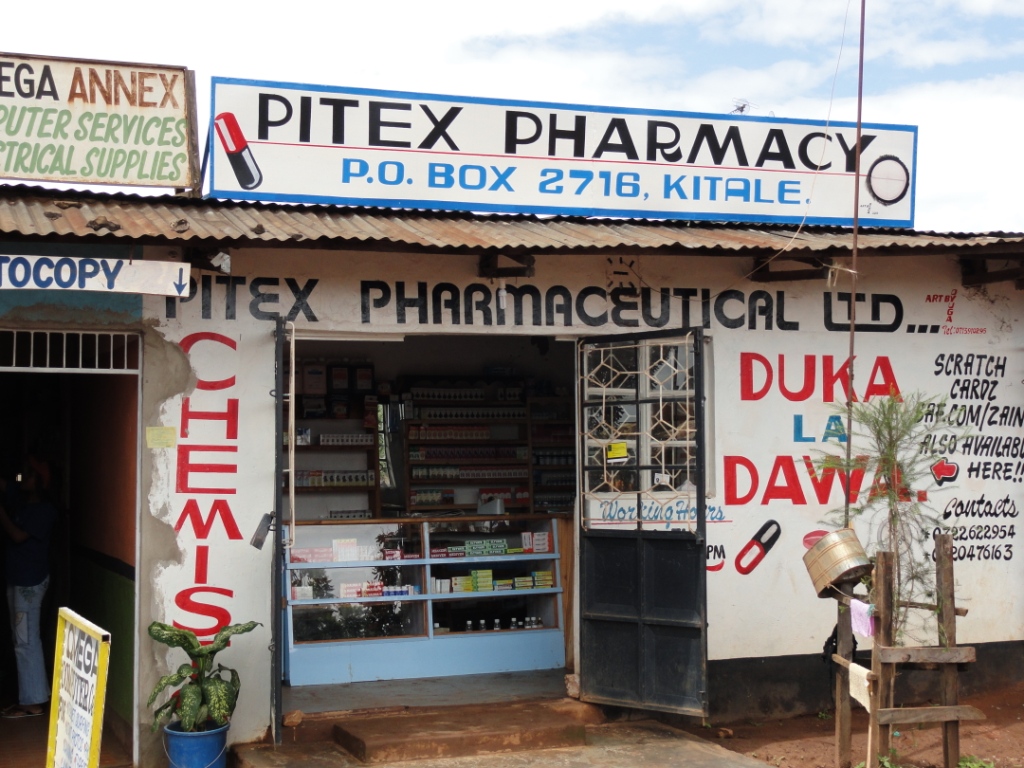
Kiminini, Kenya Pharmacy

Kiminini Pharmacy

Based on the initial reactions of both the local residents and the shop owners, I’m far more optimistic that we’ll not only be able to launch the filters successfully in Kiminini and Kitale, but eventually roll out the filters to other areas such as Eldoret, Kisumu, and Nairobi.  Overall, a good day.

After completing a number of field interviews and some competitive analysis for the water filter program, there were a couple of key takeaways that can be applied to the water kiosk initiative.  The most valuable finding is that WaterGuard could be used to dramatically expand the capacity of each kiosk in a very cost-effective manner.  At only .67 shillings per 20 liters purified plus 3 shillings for the water, the kiosk could sell purified water for 5 shillings and still make an acceptable profit.  This assumes of course that at least 30 households in the serviceable area are interested in buying it daily, which I think is achievable with good marketing (says the marketing guy).  In fact, given the density of Kibera, there’s tremendous upside potential if the market interest is high.  The biggest advantage of WaterGuard is the low variable cost.  Unlike adding another filter, doubling or even quadrupling the water purified from WaterGuard is extremely affordable to the kiosk owner.

There are some risks that come with this new product, though I’m not tremendously concerned.  The first is that some people don’t like the taste when WaterGuard is used.  Again, given the density of Kibera and the very attractive price point (especially compared to the risk of contracting typhoid), I think we’ll find enough people who don’ t mind the taste.  For those people who really can’t tolerate it, we will still offer filtered water at the original 10 shilling price.  The extra 5 shillings might seem excessive, but I’m assuming a relatively small number of filtered water sales in the pro forma.

The second concern is that WaterGuard is already available and people could just buy it to purify their own water.  Honestly, I hope some do decide to do that.  We’ll even sell them the bottle.  However, I don’t believe everyone will take us up on the offer.  One might think that in this area of exceptionally high unemployment (or underemployment), there would be no premium placed on the time savings or convenience of having someone else purify the water.  It’s not purely a convenience issue, but people simply view purifying water as an errand they don’t enjoy.  As such, they often just skip it altogether.  With the kiosk model, they don’t have to spend 30 minutes on something they don’t enjoy.  They can just get the clean water directly.

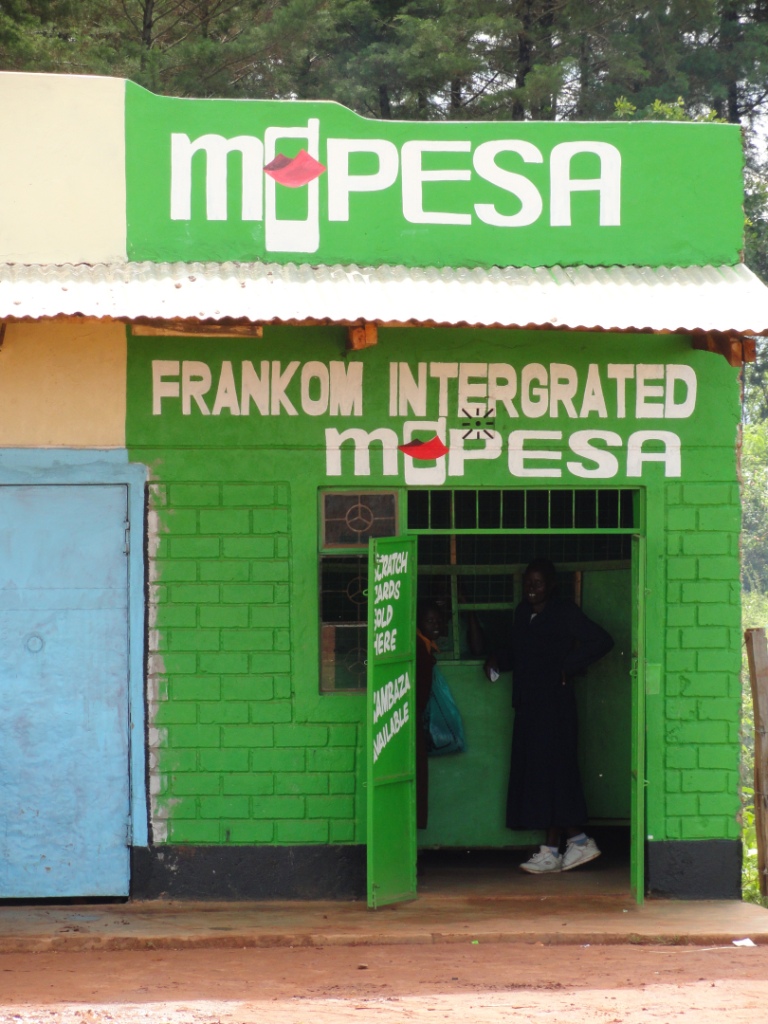
The other key takeaway from spending so much time wandering around the town was how effective the Safaricom / M Pesa (same company) marketing strategy is here.  Kenya is seemingly sponsored by Safaricom.  They’re more ubiquitous than Starbucks in Seattle.  But instead of spending huge sums of money on television commercials, they simply paint their 11,000 agent stands bright green and have easily recognizable signs at every one.  While that might sound obvious, they’re one of the only companies I’ve seen who do that here.

M Pesa Marketing in Kenya

M Pesa Marketing

One of > 11,000 M Pesa Signs

One of > 11,000 M Pesa Signs

I love the idea of replicating this approach for the water kiosks.  It really won’t cost very much money per kiosk, but the cumulative effect will be very powerful.  It compensates for the fact that no individual kiosk owner will earn enough to invest in serious advertising, and the likelihood that they would otherwise pool together funds for marketing is slim to none.

This model also mitigates one of the biggest weaknesses of projects launched by foreign aid groups.  Often a foreign group will come in, do a huge promotional push, and then eventually move on to a new area or project.  Things are going great when they’re there doing the promotion, but as soon as the group leaves, everyone forgets about it and goes back to their old habits.  I think that’s probably one reason why so few people are using WaterGuard here.  Nobody is promoting it.  With the kiosk model, there’s an omnipresent, visible leave behind to keep the service top of mind.

The one negative development is that I’m struggling to find a micro-finance institution that will return my messages.  I’ve been told from a trusted source in the industry that MFIs are constantly flooded with these types of proposals and that the likelihood of them meeting with me is low.  I have two potential solutions to this problem, so hopefully at least one of them will work.

Overall, I’m still very excited about the potential for the water kiosks to seriously broaden access to clean water in the slums as well as other areas in Kenya.  I will continue to write updates as new developments arise.  I’ll keep asking for your comments, despite the fact that I receive very few.  I’d love to hear your thoughts and suggestions.