Feeds:
Posts
Comments

I’ve been fortunate to meet several Kenyans who have been helping on the Kibera Kiosk project including a branch manager of local MFI Jamii Bora, an entrepreneurial Kibera resident, and a water engineer (along with Steve, the general manager).  Today we all met to brainstorm solutions to a big problem that was uncovered during recent business planning.  If you remember from past posts, our business concept involved treating water in huge quantities and then repackaging the clean water in 500 liter containers that would be shipped to the kiosks.  What didn’t initially occur to me was just how heavy a 500 liter container of water would be.  As it turns out, it’s heavy (about 1,100 lbs).  Considering a 500 liter container would only service about 25 households per day, that means we’d have to transfer a lot of very heavy containers all around an area with no real roads.  It seemed there must be a better way to do it.

We thought up a couple different solutions, including one where we have fixed 500 liter tanks at all the kiosks and just try to connect them directly to the main public water pipe.  Then they could just fill up directly whenever they ran out.  That could work, but it would certainly take some effort to launch new kiosks and it’s hard to guess if the government would support the idea. 

What we eventually realized is that any system that involves creating a new water source is really duplicating the distribution process.  The most efficient system would be if the existing infrastructure simply delivered clean water and everyone took care to keep their water containers clean to prevent re-contamination.  The next best thing would be families treating the potentially contaminated water in their homes right before usage either with a water filter or chlorine.  Since many people can’t afford a filter and are unaware or unwilling to use chlorine themselves, the third best option would be to treat the water that people are already used to purchasing.
Kibera Kiosk Vendor

Kibera Kiosk Vendor

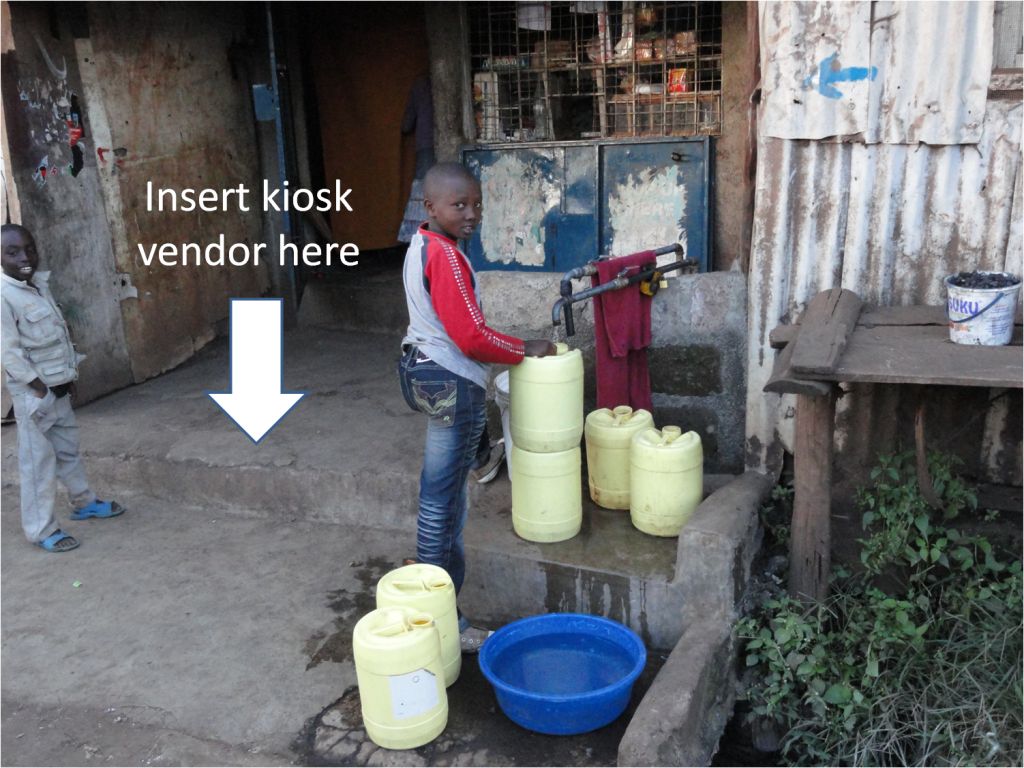
At each public tap there is a vendor who collects the water fee.  If that person had a little stand with a bottle of chlorine and could add the correct dosage right after a resident refills, it would ensure that the water was now clean.  If that person also had a sponge, some soap, and some chlorinated water, he could also clean out the resident’s water container on a periodic basis before refilling, thus ensuring that the clean water is still clean when it gets back to the home.  Lastly, if that person sold better water containers with a spigot, it would prevent re-contamination at the point of use.  (Some water containers have an opening at the top and it’s not uncommon for people to dip a cup into it to get water.  Unfortunately, if their unwashed hand makes contact with the water, it can easily contaminate it)

We still need to hash out several details, but this new model of adding services to the existing water source may be a very cost-effective way to reduce water contamination at all points in the supply chain.  Stay tuned for future developments and as always, please feel free to post a comment if you have a question or suggestion.
Crazy developments

It’s been a little while since my last month and boy has a lot changed.  A couple of posts back I mentioned that I accepted a job with Unitus, a non-profit focused on international economic development, specifically in the area of micro-finance.  Unfortunately, about two weeks after I started, the Unitus board announced that they were shutting down operations and the entire staff was laid off. 

Fortunately, an interesting position opened up with PATH, another Seattle-based international non-profit that focuses on health care.  PATH is in the middle of a 5 year project studying and improving the commercial viability of low-cost water purification solutions like the water filters and chlorine solutions I’ve been discussing on this blog.  The role is a temporary consultant position based in Nairobi for several months.  I’ve accepted this position and am now back in Kenya.  I will act as the liaison between the Seattle team and the African partners, project manage two sub-projects around clean drinking water, and will try to identify and support social entrepreneurs doing work in the water and sanitation space. 

There have also been some good developments on the Kibera Kiosk project.  We’ve just filed the articles of incorporation for a new non-profit organization and are in the process of obtaining our tax-exempt 501(c) status so we can accept direct donations.  Steve, the Kenyan general manager, has moved to Nairobi and we’re working to refine the business plan and register the organization with the Kenyan government. 

Stay tuned for a lot more updates in the coming days and weeks now that I’m back in Kenya.

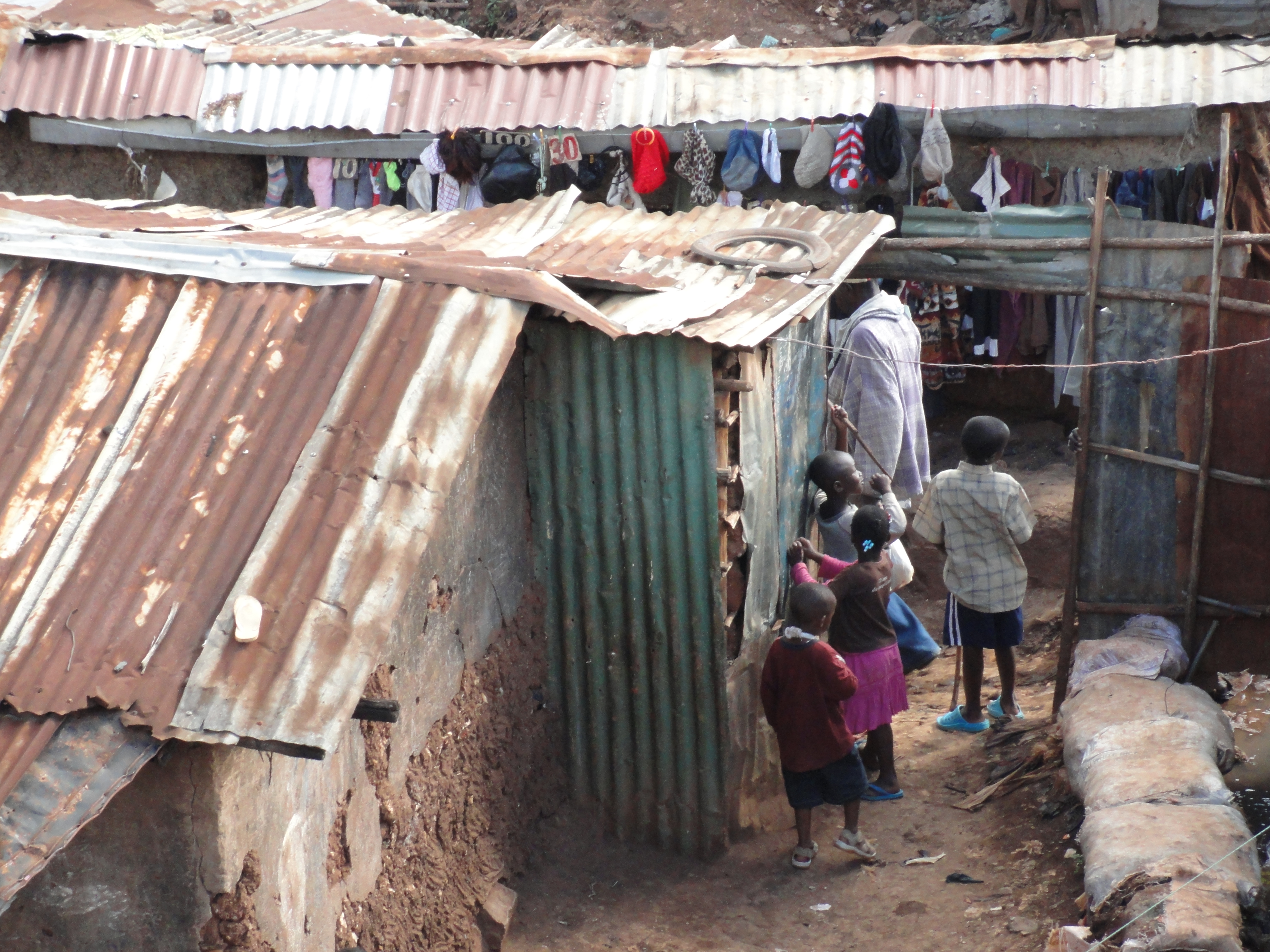
Kibera Slums

Kibera Slums

I’m excited to report that we’re continuing to move forward on the development of the budget and business case for the Kibera water kiosk initiative.  Steve Mumbwani will be traveling to Nairobi next week to work with Andrew Otieno on researching startup costs.  This is a critical step because once we have more accurate cost estimates, we can begin fundraising.  I’m delighted that the team is so dedicated to the initiative even in my absence. 

It’s interesting to note that the cost of Steve’s “business trip” including round trip transportation from Eldoret to Nairobi, lodging for a week in Nairobi, and all meals and in-city transportation comes to a whopping $130 USD.  That’s insanely low even for Kenyan business standards, but Steve is committed to keeping costs down while we’re in start up mode. 

I know I’ve been quite over the past few weeks, so I wanted to give everyone an update on the Kibera kiosk initiative.  I recently received some very positive feedback from the District Officer in Kibera in response to the executive summary I submitted.  He commented that the initiative, “is going to bring about positive change to the kibera community especially women and youth groups” and that he is still very interested in working with us.

I was very fortunate to find two other Nairobi locals who are helping Steven and me to get the organization off the ground.  Andrew Otieno is the branch manager of a micro-finance institution that serves Kibera and the surrounding areas.  Fredrick (Freddy) Omondi is a Kibera resident who first introduced me to Kibera and gave me the tour at the very beginning of my trip to Kenya.  The four of us are soliciting cost estimates for the major startup equipment such as the 10,000 liter water tanks, the office building, etc.  Once that excercise is complete, we will be nearly ready to move forward with the critical task of acquiring funding for our startup costs.  As discussed earlier, the pricing is set so ongoing operations will be financially self-sustaining.  However, the initial build out will require philanthropic capital.  I’ll provide more details as we develop the full budget and business case.  I’ll also try to post updates a bit more frequently in the coming days and weeks.

Here’s a fast and simple way for you to help make a difference to the fantastic programs around the world that Village Volunteers supports.  Facebook and Chase are having a competition and will award $20,000 to the 200 charities that get the most votes.  We’re currently in the top 200, but need your help to keep us there.  Please take just a minute to vote.  Thank you so much for your help.

http://apps.facebook.com/chasecommunitygiving

Search for Village Volunteers and click on the first one in the results (Seattle).  You’ll click on the green box to get started and vote.  At some point a box pops up where you have to click on “like” and the “close”.  This is not the vote.  You can then vote for Village Volunteers and click on Share With Friends to post it to your Facebook page.  Again, thank you for your support.  It really just takes a minute.

http://apps.facebook.com/chasecommunitygiving

I want to share some exciting news.  While this particular trip to Kenya is over, the journey towards improving the standard of living in Africa and beyond is just beginning.  I have recently accepted an offer with an organization called Unitus.   Unitus, an international nonprofit organization, fights global poverty by accelerating the growth of microfinance—small loans and other financial tools for self-empowerment—where it is needed most.   They are now developing new strategies to alleviate poverty beyond microfinance, and I’m very excited join them in that mission.

My new role will regularly take me back to Kenya as well as India.  I’m optimistic that my recent work on the water projects and my new role in economic development will complement each other nicely and I’ll be able to leverage insights from each area to help improve the other.

If possible, I’ll try to post interesting stories and pictures related to economic development on this blog as well as my ongoing work on the water projects.  I’ve added a “categories” section to the column on the right to make it easier to filter posts by topic.  I look forward to sharing a broad range of stories with you in the coming weeks, months, and years.  To learn more about Unitus, visit www.unitus.com.

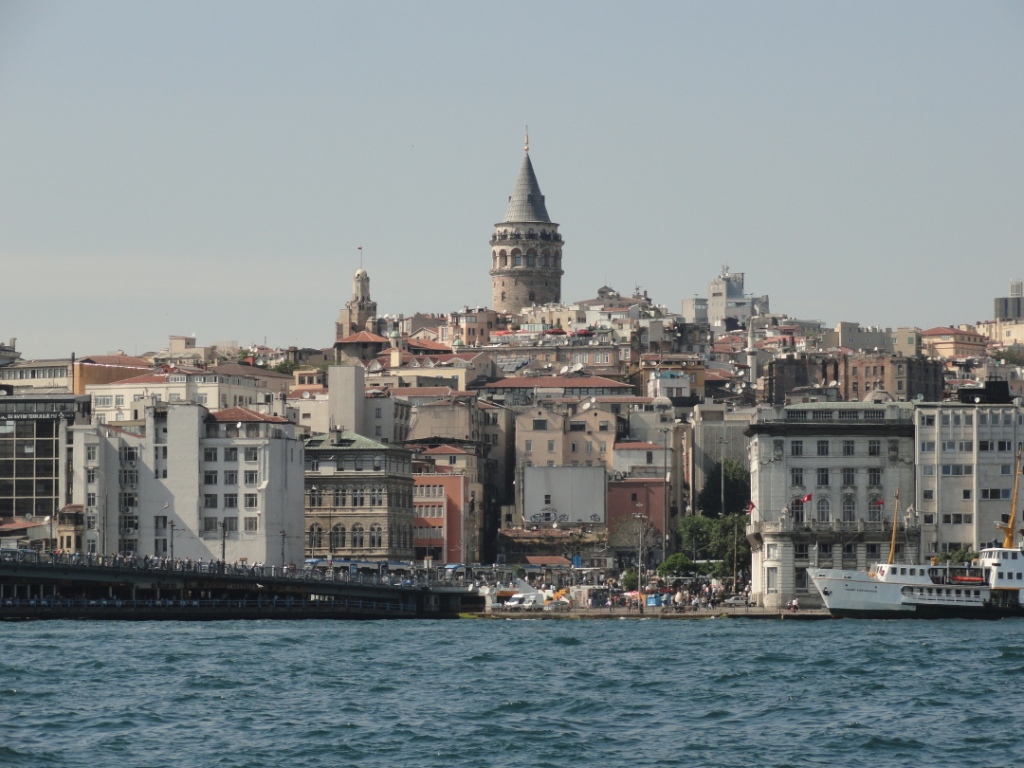
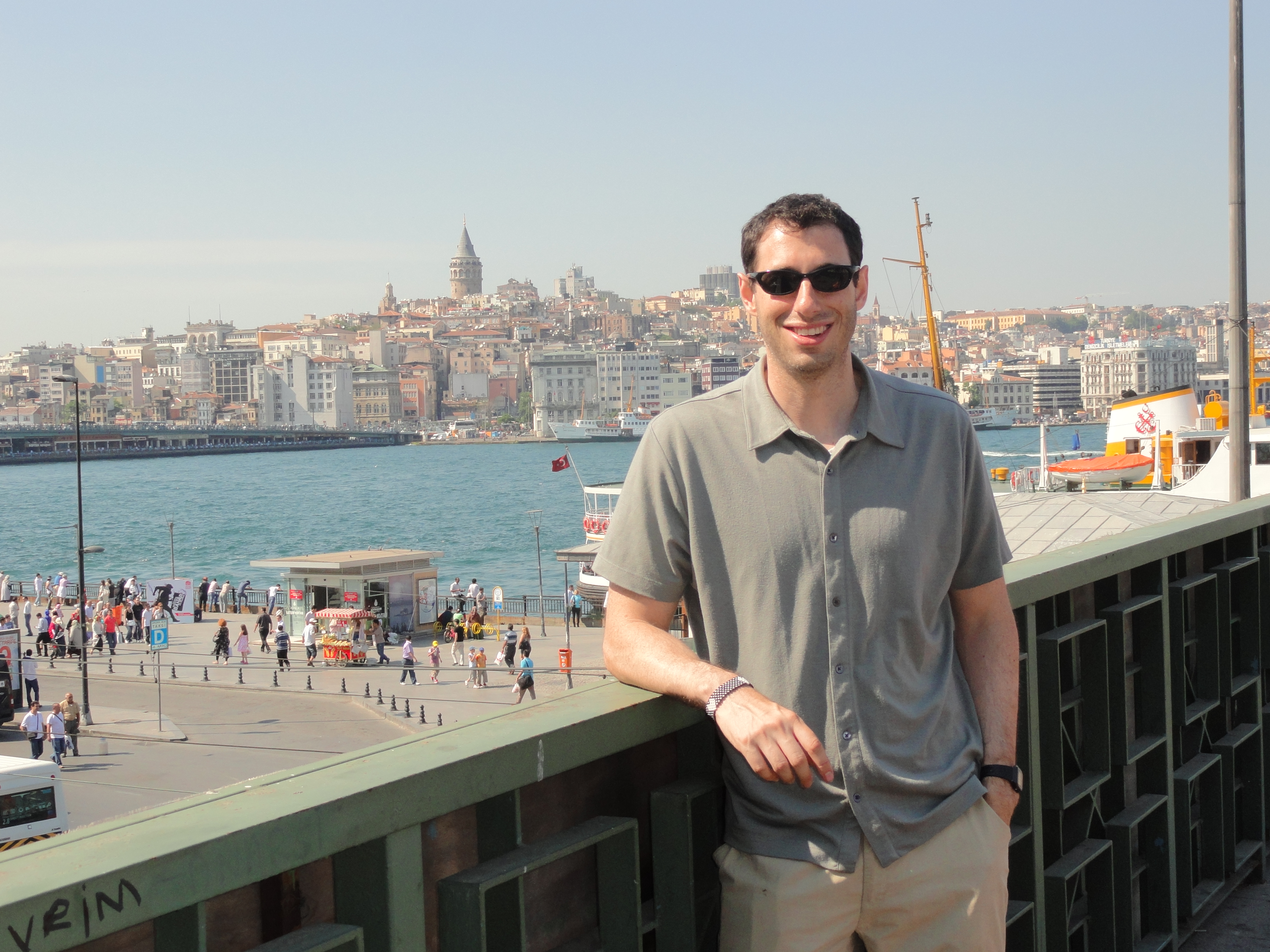
Jeremy in Istanbul

Jeremy in Istanbul

Today CleanWaterForAll.net passed the 3,000 view mark!  This achievement was greatly expedited by WordPress promoting my blog on their “Freshly Pressed” page (which was awesome).  I’m delighted that so many people are interested in learning more about my work and the struggles and culture of Africa.  If more people took an interest like you, many of the problems around the world could likely be reduced or eliminated.

For those of you who have ever thought about volunteering abroad, know someone who wants to volunteer abroad, or simply want to support an organization doing great work abroad, I thought I’d tell you a bit more about Village Volunteers.  Village Volunteers, the organization that I went through for this Kenya trip, is a Seattle-based non-profit that partners with Community Based Organizations (CBOs) all over the world.

Shana Greene Dormitory

Shana Greene Dormitory

If you’ve read my posts on Emmanuel’s school in the Maasai Mara or Joshua’s Common Ground for Africa, which is a school, bio-intensive farming training facility, and water filter plant, then you already know about some of the terrific programs that Village Volunteers supports.  They also work with programs in the fields of healthcare, economic development, women’s empowerment, childcare, and more.

Village Volunteers works with these programs in two ways.  The first is to send international volunteers like me to work with CBOs on specific projects or to provide general assistance.  All the marketing work I’ve done for the water filter project in Kiminini was a direct result of the partnership between Village Volunteers, Common Ground for Africa, and the Kenya Ceramic Project.  The second way Village Volunteers supports these organizations is to help them find funding sources through grants or connections to private donors.  Many of these amazing organizations simply wouldn’t be able to survive or flourish without the help of Village Volunteers.

Recognition of Shana and Village Volunteers

Recognition of Shana and Village Volunteers

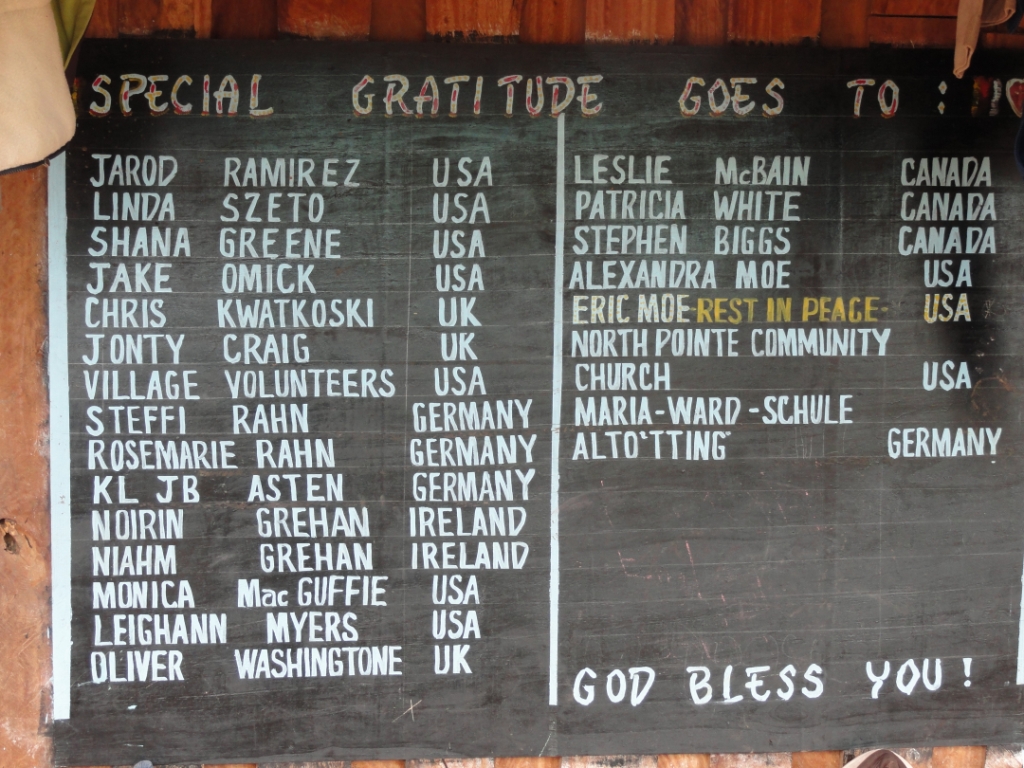
To give you an idea of how much these global programs appreciate the help of Village Volunteers, Joshua from Common Ground for Africa told me that he named one if his daughters after Shana Greene, the Executive Director of Village Volunteers.  There’s also a Shana Greene Dormitory, and Emmanuel’s primary school publically recognizes both Shana and Village Volunteers.  I’ve personally been so impressed with the quality of the people and program that I recently joined the board of directors of Village Volunteers.

If you have any interest in either volunteering internationally, volunteering domestically to support Village Volunteers, or supporting Village Volunteers financially, please visit www.VillageVolunteers.org for more information or you can e-mail me at jeremy@villagevolunteers.org.

Jeremy at the pyramids

Jeremy at the pyramids

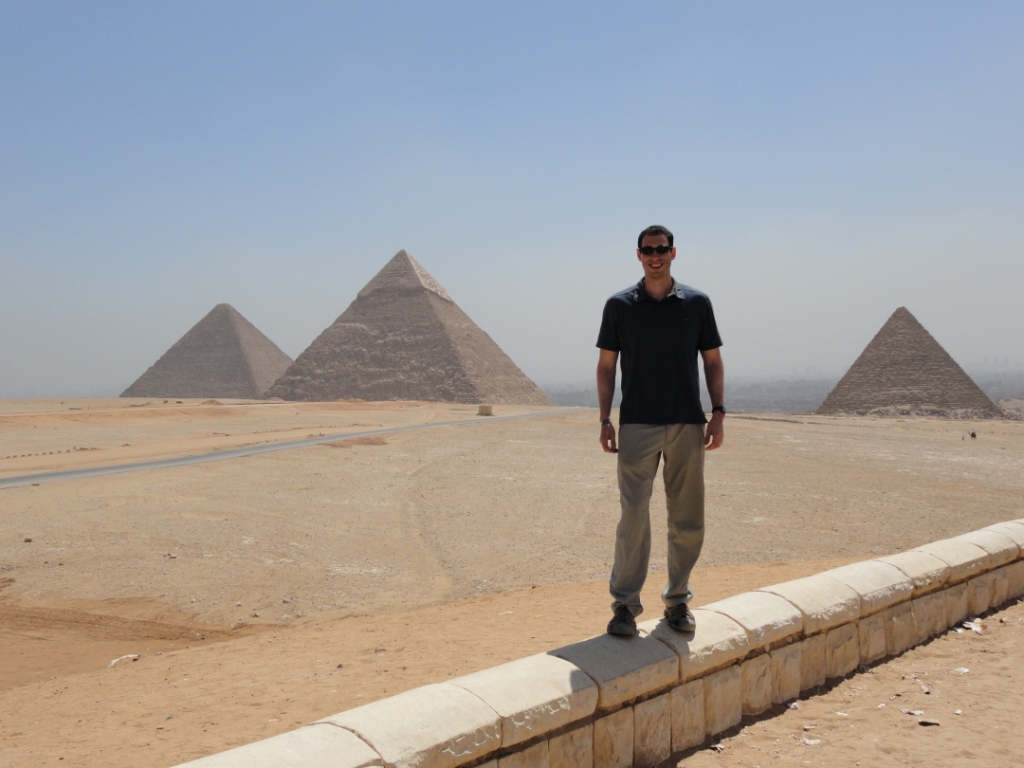
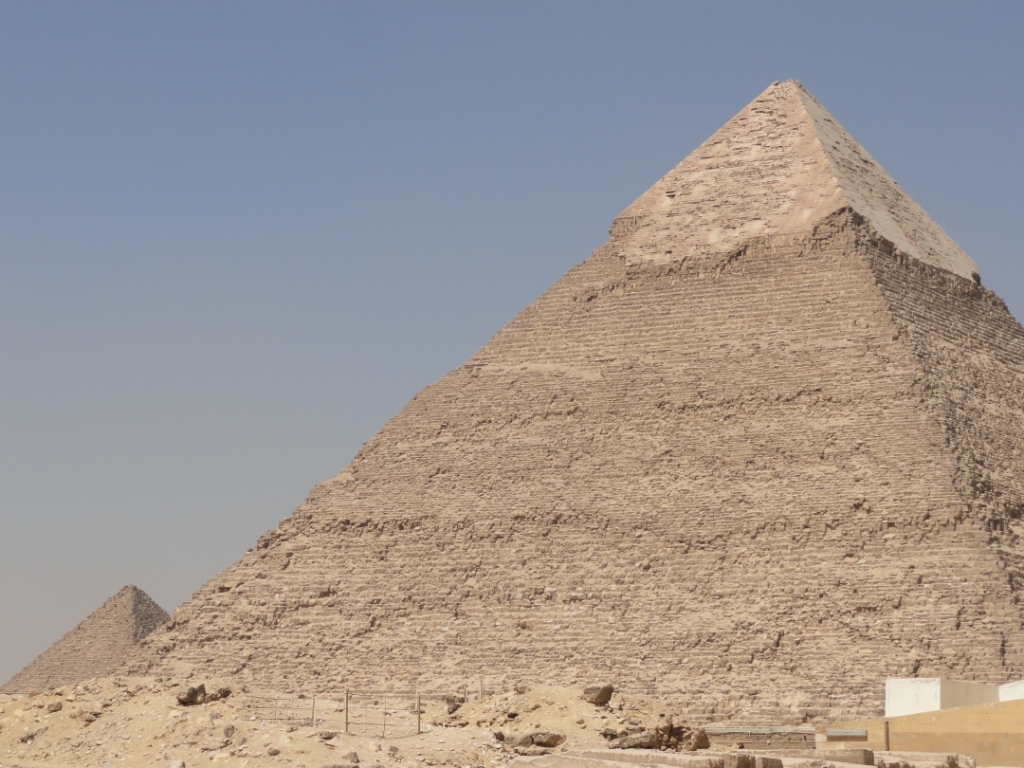
Hello from Istanbul.  I’ve been taking a short break from looking at water purification strategies and have instead gone to look at the pyramids of Egypt and the amazing city of Istanbul.  I thought I’d just post a few of my favorite pictures.

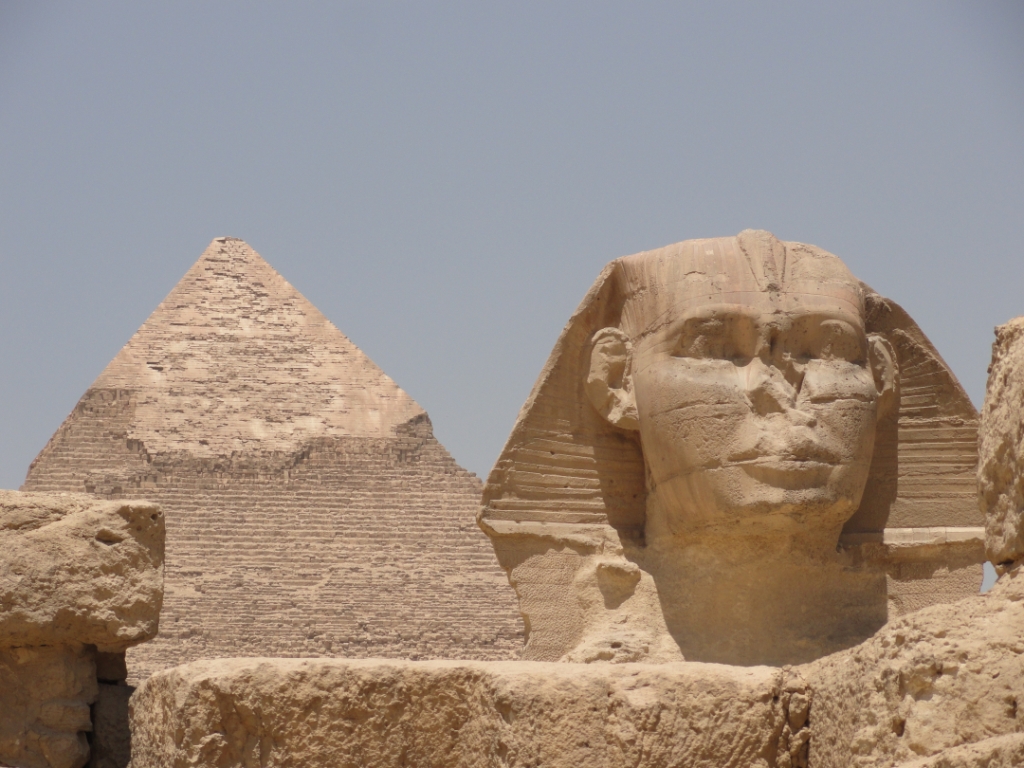
Egypt was pretty enjoyable overall.  The people were generally very friendly and the sightseeing was amazing.  The heat and the traffic can wear on you, but that’s a small price to pay to see the famous pyramids and sphinx.  Of course everything there is a negotiation, but that’s half the fun of visiting a place like Cairo.

Sphinx and pyramid

Sphinx and pyramid

Istanbul is absolutely incredible.  I’ve visited 22 countries on 6 continents, and I have to say that Istanbul’s combination of natural beauty, culture, tourist attractions & shopping, and charm is rivaled by few other cities in the world.  I’ve only been here two days and one night so far, but as of now I’d put this firmly on anyone’s “must visit” list.

I hope you enjoy the pictures.  I’ll try to post a few more over the next day or two.

Pyramids

Pyramids

North Istanbul

North Istanbul

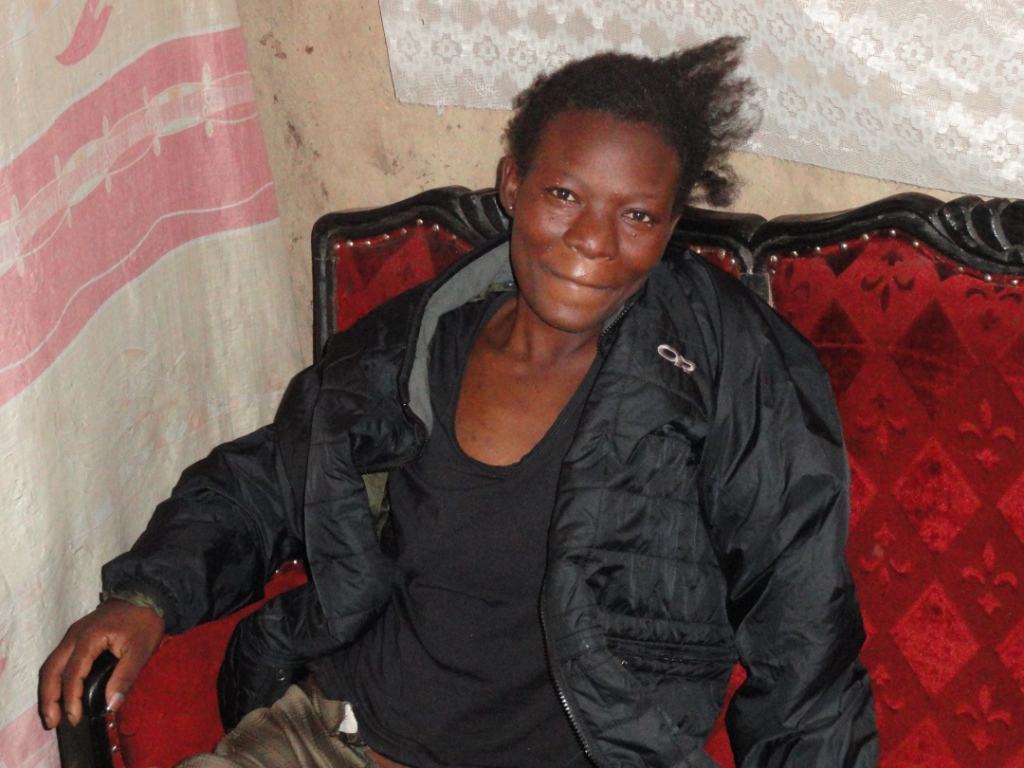
I’d like to take a minute and thank everyone who donated to these fantastic water projects in Kenya.  I have many friends back home who contributed money.  Outdoor Research contributed a number of weatherproof jackets, shirts, pants, and hats, which I gave out at various slums and schools throughout Kenya.  I have also received a generous donation from an organization who asked to remain anonymous.

Outdoor Research donated jackets

Outdoor Research donated jackets

The Kibera water kiosk project has great momentum and I’m very optimistic that we’ll receive government approval.  I’ll then need to raise approximately $20,000 for the initial infrastructure including four 10,000 liter water tanks, the smaller 500 liter containers for all the kiosks, educational signs and materials, and more.  Once the initial costs are paid for, the business is set up to be financially self-sustaining.  If you would like to support this amazing project that will both reduce disease and create jobs in one of the largest slums of the world, please click on the following link:

http://www.villagevolunteers.org/donation/donate-info.php

When asked to specify the purpose, just type “Jeremy Farkas”.  The donation is tax deductible and will go towards supporting a fantastic cause.  I’d also like to note that all my time is donated so your donation will go directly towards project expenses.  Thank you so much for your support.

Woman in slums enjoying her new jacket

Woman in slums enjoying her new jacket