Feeds:
Posts
Comments

Archive for the ‘Kibera Water Kiosk Project’ Category

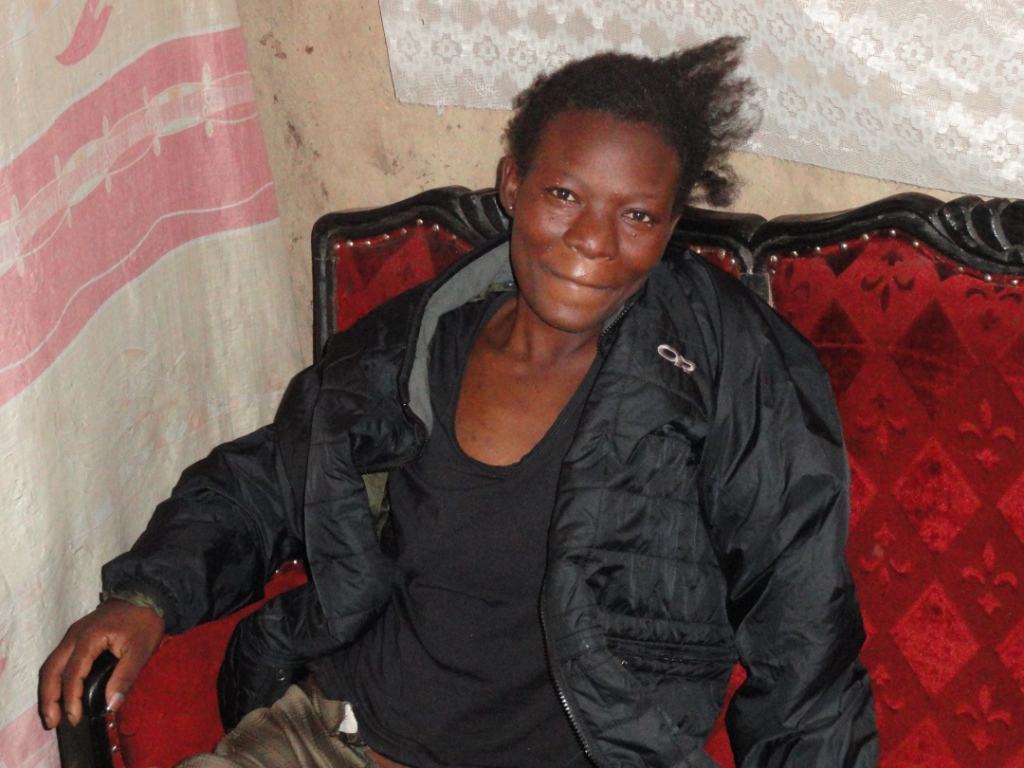
I’d like to take a minute and thank everyone who donated to these fantastic water projects in Kenya.  I have many friends back home who contributed money.  Outdoor Research contributed a number of weatherproof jackets, shirts, pants, and hats, which I gave out at various slums and schools throughout Kenya.  I have also received a generous donation from an organization who asked to remain anonymous.

Outdoor Research donated jackets

Outdoor Research donated jackets

The Kibera water kiosk project has great momentum and I’m very optimistic that we’ll receive government approval.  I’ll then need to raise approximately $20,000 for the initial infrastructure including four 10,000 liter water tanks, the smaller 500 liter containers for all the kiosks, educational signs and materials, and more.  Once the initial costs are paid for, the business is set up to be financially self-sustaining.  If you would like to support this amazing project that will both reduce disease and create jobs in one of the largest slums of the world, please click on the following link:

http://www.villagevolunteers.org/donation/donate-info.php

When asked to specify the purpose, just type “Jeremy Farkas”.  The donation is tax deductible and will go towards supporting a fantastic cause.  I’d also like to note that all my time is donated so your donation will go directly towards project expenses.  Thank you so much for your support.

Woman in slums enjoying her new jacket

Woman in slums enjoying her new jacket

Read Full Post »

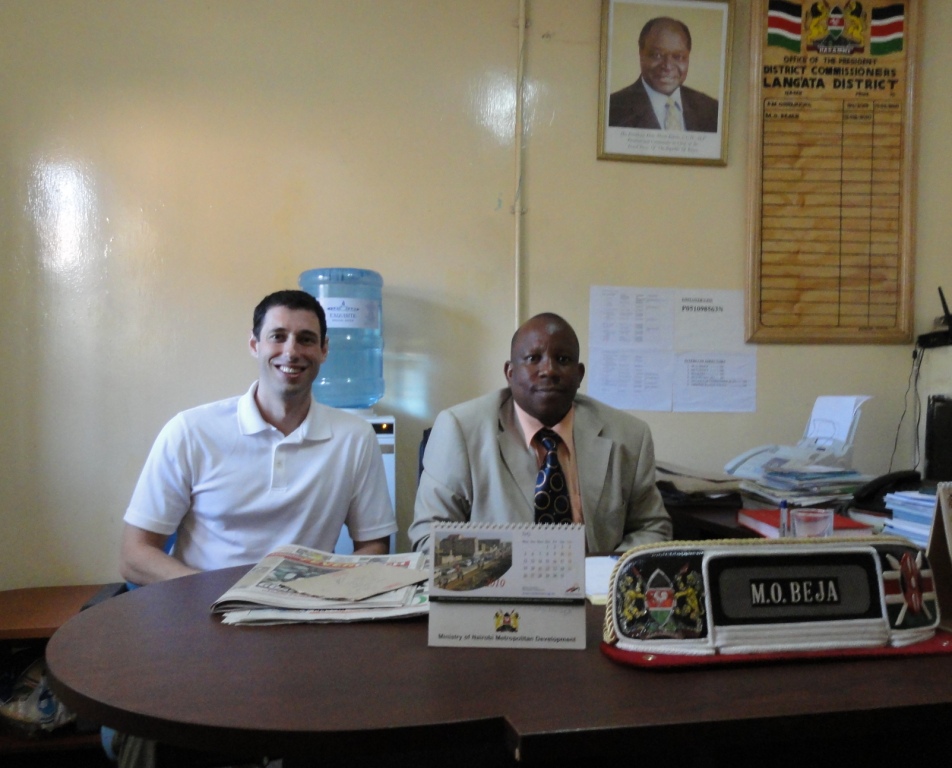
I have an exciting update on the Kibera water kiosk project.  This morning I thought I was meeting with a few mid-level government officials.   As it turned out, my meeting was with the District Commissioner (DC), who I believe is one of the highest if not the highest ranking official in the local government.

Jeremy and the District Commissioner

Jeremy and the District Commissioner

After presenting the water kiosk concept, he invited me to attend and present at the District Development Committee meeting, which is the full committee of all key local government officers.  If I get approval at that committee meeting, then we’re basically cleared to start working (once that pesky funding issue is resolved).  I’m extremely pleased with the speed at which this is progressing.  Now I just need to figure out if I can get back to Nairobi to present in person, or if I’ll need to send Steve in my place.

The DC invited me back for a follow-up meeting this afternoon.  I’ll write another post if anything interesting happens at that meeting, though I’m not expecting a lot of new information to come out of it.  Either way, I’m taking it as a good sign.

Read Full Post »

I’m sure local politics can be difficult to maneuver all over the world, but it’s particularly challenging in Kenya.  Here local officials wield huge amounts of power, and one person can stop a project dead in its tracks.  Fortunately, if you make a strong case (or know the right people), they can also shepherd a project swiftly through the system.

Today I used a friend of a friend of a friend to land a meeting with a District Officer in Nairobi.  A District Officer is fairly high up in the local food chain, and I pitched him the water kiosk concept.  I was delighted at how quickly he embraced the idea, and he asked if I could come back on Monday to meet with several other government officials.  Assuming that meeting goes well, we’ll pitch the kiosk model at a formal committee meeting where the project will hopefully receive the official governmental go ahead.

The person who introduced me to the District Official is a great community leader who runs a micro-finance branch.  He is also the chairman of a local community organization that runs a health clinic and several other programs.  I feel very lucky to have found him, as he’s working with me very closely to gather allies and navigate the political process.  I’ll update this post later with a picture of him and the clinic this weekend.

Definitely stay tuned for an update on Monday’s meeting.  Also, make sure you check in for some fascinating stories about Maasai culture this weekend.

Read Full Post »

As promised, here are some pictures of the safari in Maasai Mara.  I don’t want to clutter the Clean Water For All Flickr album with safari pictures, so I created a new album specifically for these.  I’ll add more over the weekend.  Some of my favorites are below.

http://www.flickr.com/photos/33468302@N02/sets/72157624009846655

Lion

Lion

Back to why I’m actually here, I spent the day back in Kibera to conduct more market research.  After speaking with several residents, I’m still quite confident that the water kiosk model will be successful in Kibera.  At first I was a bit nervous because most people I spoke with aren’t currently treating their water.  Around Kitale, that was usually an indicator that they would not be interested in the kiosk model.  However, the people in Kibera are already used to paying for water, and cholera and typhoid are constant threats.  While many realize that the water is treated at the source, they also understand that by the time it goes through the pipes and they bring it home, the water could be recontaminated.  In general, most were fine with paying 7 shillings per 20 liters, and some were okay up to 10 shillings.  At those prices, I think the model is financially viable.

Lion Cubs

Lion Cubs

I had another great break when I met with Andrew, the branch manager of Jamii Bora, a micro-finance institution working in Kibera.  Andrew was working on a slightly different kiosk concept with an organization called Microfinance Without Borders.  I spoke with both organizations and they were extremely supportive of the idea.  Andrew has offered to work with me to drive the project forward, starting with setting up a meeting with the District Officer of the area.  If the DO supports the idea, it will make it much easier to proceed.  Hopefully we’ll be able to meet tomorrow, in which case I’ll be sure to post an update.

Over the weekend I plan to post a few stories that Emmanuel told me about the Maasai culture.  You don’t want to miss them, so make sure you check back soon.

Zebra

Zebra

Elephant

Elephant

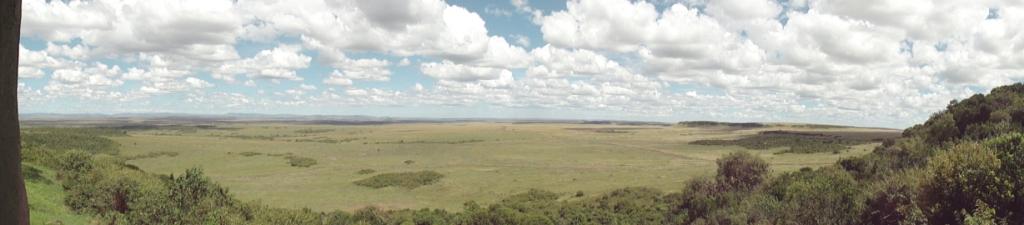
Maasai Mara Views

Maasai Mara Views

Read Full Post »

I wanted to post a short update on the water kiosk project.  I met with Steve, my Kenyan colleague, last evening to discuss several details about the business and things are looking very good.  I’ll be heading back to Kibera around May 28 to conduct additional market research in the community and hopefully meet with a couple of organizations currently working there to improve health and the general standard of living.  I’m also hoping that I can begin flushing out a detailed action plan of steps that must be completed to launch the business.  I’m very excited that Steve is on board and it looks like we won’t lose much momentum when I leave Kenya.

I’ll actually be leaving Kiminini in a few days to head to the Masai Mara area before returning to Nairobi.  It’s strange to think that things are wrapping up for me on this part of the water filter project, but I do not think it will be the end of my involvement with this incredibly passionate team.  I intend to help them in any way I can to ensure the filters are successfully marketed and adopted by the community.

Make sure you check in over the weekend to see several new pictures.

Read Full Post »

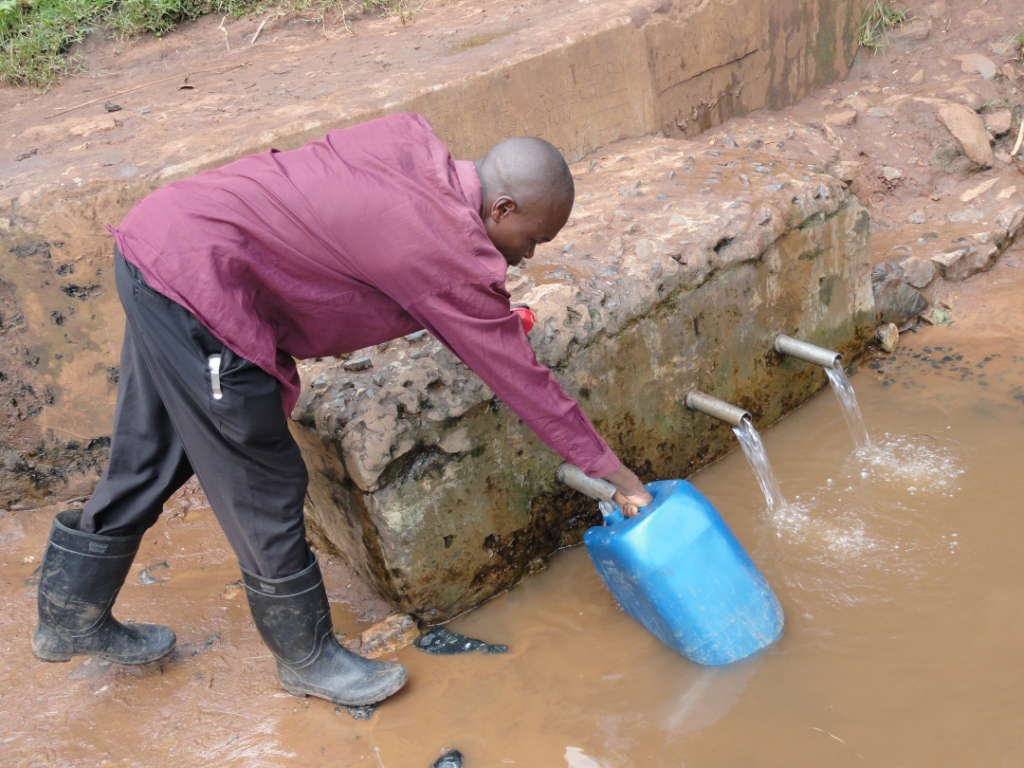
Yesterday I conducted my last set of field interviews in the Kitale region.  This time I spoke with several people in one of the slums right outside Kitale.  While the living conditions are quite poor, the level of sanitation is fortunately far better than Kibera.  In the Kitale slums, most people are getting their drinking water from a tapped stream, which costs 1 shilling per 20 liters.
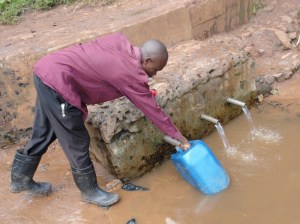
Kitale slum water

Kitale slum water

Interestingly, many of the residents here do boil their water at an average cost of 50 shillings per 20 liters.  Once I heard that, I had little doubt that people in this area would be interested in the water kiosk model.  This was confirmed with the overwhelmingly positive response to the idea by the majority of the residents.  Several tried to haggle on the price of the water, which I said would be 10 shillings per 20 liters.  I was actually quite excited to see them trying to negotiate the price, as I don’t think they would have spent the time and energy to do so if they weren’t legitimately interested in the idea.  In reality, I hope to charge closer to 5 shillings per 20 liters, but it would be nice to be able to charge up to 10 if needed for financial viability.  Of course the goal is to charge as low a rate as possible while operating profitably.
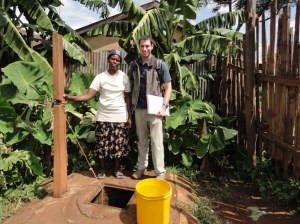
Kitale interviews

Kitale interviews

I still have additional interviews to conduct in Kibera, but it looks promising that the kiosk model may work in poor, urban areas where people already pay for water and treatment.  The next step is to determine the best business model for the kiosk.  My original thought was that that each kiosk owner would get a micro-finance loan and operate fairly independently.  When I had difficulty getting in touch with MFI to help with a pilot, it made my consider alternatives which may be even better.  My revised concept is more of a franchise model, where a centralized management team would be responsible for purchasing equipment in bulk, conducting community marketing, and providing training and quality control for the kiosk operators.  Rather than paying interest to an MFI, they would instead make payments back to the company that would be used to pay the overhead costs.
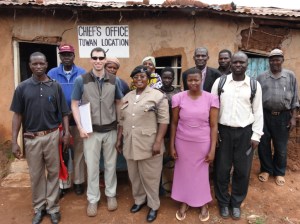
Kitale interviews

Kitale interviews

I see multiple advantages to the franchise model.  If kiosk owners all worked independently, nobody’s profit would be large enough to invest in things like marketing.  Together, they can raise awareness that benefits the whole kiosk network and the community in general.  Further, most kiosk owners don’t have the business training to properly perform activities like marketing, process improvements, and new product development.  They also don’t have enough power as individuals to get advantageous terms for funding and purchasing.  A centralized management structure can also help ensure that kiosk operators don’t run scams and sell untreated water through random water testing and process audits.  Lastly, instead of leaking a relatively large percentage of the profits to an MFI, it is  reinvested in the business which promotes growth. Obviously not every person has the skill set and motivation to be the CEO of a company, but in Kenya that is often your only choice if you want to work.  This model properly aligns different skill sets with the work that needs to be done.
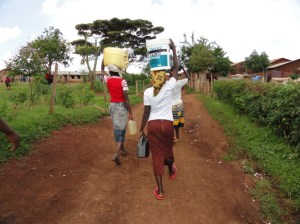
Women getting water in Kitale slum

Women getting water in Kitale slum

There are a few distinct disadvantages of the franchise model compared to operating independently.  The largest by far is the involvement of the Kenyan government.  It’s relatively easy to sell fruit (or water) out of your home or in a small individual kiosk.  When you’re talking about a larger company, suddenly you have to factor in government approvals and “fees”.  The second problem is that the margins in this business are necessarily slim, and therefore a large network of kiosks must be established before the overhead costs of management salaries can be supported.  Even paying for just one Kenyan manager, which is what I would anticipate in the early stages, would be nearly impossible without initial subsidies.  The third problem is regarding capital.  We would need some.  For the model to have any chance at success, initial capital will likely have to come in the form of donations since there wouldn’t be enough profit to cover overhead expenses plus principle and interest payments.  Fortunately I don’t think the business would need a huge amount to get off the ground.  It depends largely on the size of the community and how many kiosk partners we take on initially.  My estimates show a cost of about $120 per vendor for equipment, $2,400 for the manager’s annual salary, plus unexpected costs such as government fees and other random start-up expenses.  I’m sure there are other costs I haven’t yet thought of as well.

Steve Mumbwani

Steve Mumbwani

I’m very happy to have met a potential candidate to serve as the manager of the clean water kiosk franchise.  Steve Mumbwani is one of several college students that has been interning here at Common Ground with a focus on community development.  After Steve finished high school, he worked for six years to save up enough money to put himself through college.  I’ve found him to be charismatic, intelligent, and a strong leader.  Steve was one of my interpreters in the field interviews, and it was always fun to watch him convince people on the need for clean water after the interviews were completed.  On multiple occasions, people that previously had never treated their water asked if they could buy a filter right then and there after speaking with Steve.

Stay tuned for further updates as we hash out the kiosk model.  As always, I welcome your feedback and suggestions.

Read Full Post »

After completing a number of field interviews and some competitive analysis for the water filter program, there were a couple of key takeaways that can be applied to the water kiosk initiative.  The most valuable finding is that WaterGuard could be used to dramatically expand the capacity of each kiosk in a very cost-effective manner.  At only .67 shillings per 20 liters purified plus 3 shillings for the water, the kiosk could sell purified water for 5 shillings and still make an acceptable profit.  This assumes of course that at least 30 households in the serviceable area are interested in buying it daily, which I think is achievable with good marketing (says the marketing guy).  In fact, given the density of Kibera, there’s tremendous upside potential if the market interest is high.  The biggest advantage of WaterGuard is the low variable cost.  Unlike adding another filter, doubling or even quadrupling the water purified from WaterGuard is extremely affordable to the kiosk owner.

There are some risks that come with this new product, though I’m not tremendously concerned.  The first is that some people don’t like the taste when WaterGuard is used.  Again, given the density of Kibera and the very attractive price point (especially compared to the risk of contracting typhoid), I think we’ll find enough people who don’ t mind the taste.  For those people who really can’t tolerate it, we will still offer filtered water at the original 10 shilling price.  The extra 5 shillings might seem excessive, but I’m assuming a relatively small number of filtered water sales in the pro forma.

The second concern is that WaterGuard is already available and people could just buy it to purify their own water.  Honestly, I hope some do decide to do that.  We’ll even sell them the bottle.  However, I don’t believe everyone will take us up on the offer.  One might think that in this area of exceptionally high unemployment (or underemployment), there would be no premium placed on the time savings or convenience of having someone else purify the water.  It’s not purely a convenience issue, but people simply view purifying water as an errand they don’t enjoy.  As such, they often just skip it altogether.  With the kiosk model, they don’t have to spend 30 minutes on something they don’t enjoy.  They can just get the clean water directly.

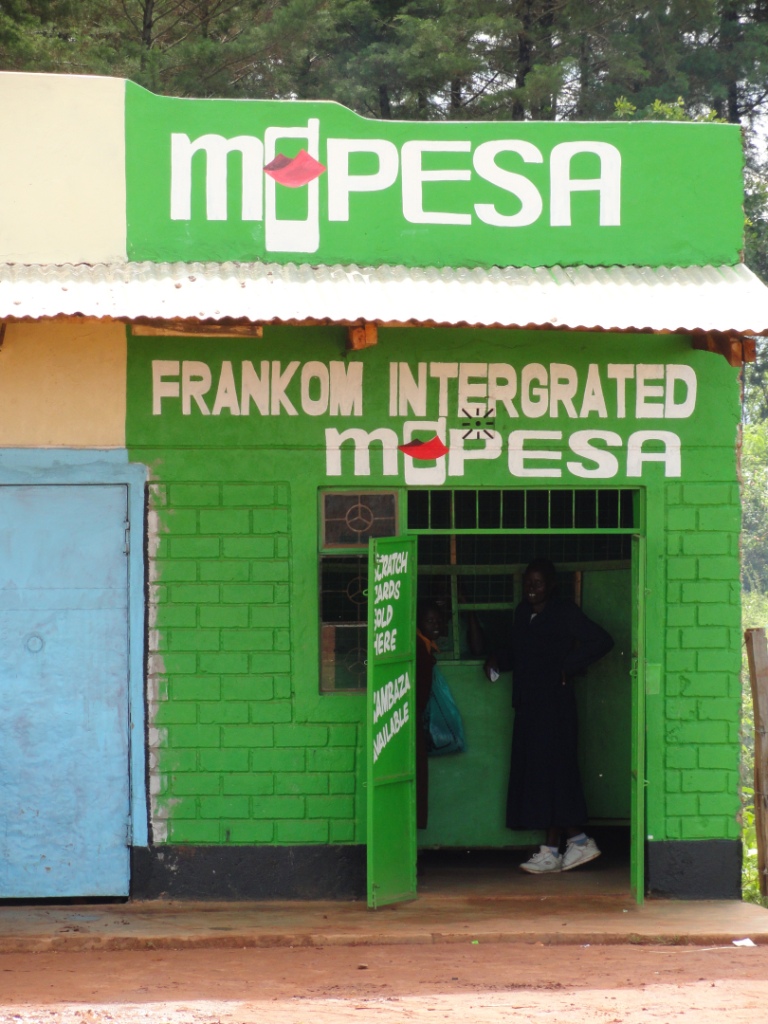
The other key takeaway from spending so much time wandering around the town was how effective the Safaricom / M Pesa (same company) marketing strategy is here.  Kenya is seemingly sponsored by Safaricom.  They’re more ubiquitous than Starbucks in Seattle.  But instead of spending huge sums of money on television commercials, they simply paint their 11,000 agent stands bright green and have easily recognizable signs at every one.  While that might sound obvious, they’re one of the only companies I’ve seen who do that here.

M Pesa Marketing in Kenya

M Pesa Marketing

One of > 11,000 M Pesa Signs

One of > 11,000 M Pesa Signs

I love the idea of replicating this approach for the water kiosks.  It really won’t cost very much money per kiosk, but the cumulative effect will be very powerful.  It compensates for the fact that no individual kiosk owner will earn enough to invest in serious advertising, and the likelihood that they would otherwise pool together funds for marketing is slim to none.

This model also mitigates one of the biggest weaknesses of projects launched by foreign aid groups.  Often a foreign group will come in, do a huge promotional push, and then eventually move on to a new area or project.  Things are going great when they’re there doing the promotion, but as soon as the group leaves, everyone forgets about it and goes back to their old habits.  I think that’s probably one reason why so few people are using WaterGuard here.  Nobody is promoting it.  With the kiosk model, there’s an omnipresent, visible leave behind to keep the service top of mind.

The one negative development is that I’m struggling to find a micro-finance institution that will return my messages.  I’ve been told from a trusted source in the industry that MFIs are constantly flooded with these types of proposals and that the likelihood of them meeting with me is low.  I have two potential solutions to this problem, so hopefully at least one of them will work.

Overall, I’m still very excited about the potential for the water kiosks to seriously broaden access to clean water in the slums as well as other areas in Kenya.  I will continue to write updates as new developments arise.  I’ll keep asking for your comments, despite the fact that I receive very few.  I’d love to hear your thoughts and suggestions.

Read Full Post »

In my post a few days ago about the Kibera slums, I mentioned that I spoke with some locals about how they could use our water filters to improve their water quality.  I’d like to share the details about this initiative, which I believe will work in other areas of Africa as well.

Like many commercial products, I believe we have the greatest chance of success both in terms of reaching a high number of people and achieving financial sustainability if we leverage multiple sales channels to distribute our product.  Three of these channels are selling to organizations like other non-profits and hospitals, selling to stores that will resell them, and selling directly to households.  All of these are valid and worthwhile channels that we’ll pursue.  However, they all share one major drawback, which is that a household will have to pay for the filter up front.  The price hasn’t been determined yet, but this could cost roughly $15 which is a substantial amount to many households in the poorest parts of the world.  One potential solution to this problem that we’re evaluating is to establish a credit program, but that may be difficult to administer and may not be feasible for the poorest households.  That leads me to the initiative that I’m very excited about.

The water kiosk initiative would allow people to obtain a micro-finance loan of approximately $200 and purchase roughly 10 filters plus other supplies.  They would then purchase contaminated water from the public taps at roughly 4 cents per 20 liters, filter the water, and resell the clean water for roughly 10 cents per 20 liters.  Water can be easily recontaminated if stored in a dirty container, so they may need to purchase and clean old containers for roughly $1 and then sell them at cost.  Ideally they’d slap a label on the containers for improved branding and visibility in the community.  These kiosks could also sell filters directly to those households who can afford one.

The concept behind this channel is that many households in low income areas generally manage their revenues and expenses on a day by day basis, spending money primarily on what they need right now.  They will often choose to pay a small premium in order to have more manageable payments, much like Americans do with car loans and mortgages.  The other piece of inspiration for this idea came from a Harvard Business Review article from 1960 called Marketing Myopia (several of you have likely heard me talk about this article at some point).  The article basically urges businesses to broaden the way they define themselves.  In our case it would be easy to think we’re selling water filters, but in a broader context we’re selling better health through clean water.

The other thing that’s exciting about this sales channel is that it creates jobs, which are sorely needed.  I’m hoping to partner with a Kenyan micro-finance institution to fund a handful of loans as part of a pilot program to verify the economic viability and health improvements of this model.

I look forward to sharing additional details about this program over time.  Meanwhile, if you have any suggestions or questions about the initiative, please feel free to post a comment.  Thanks.

Read Full Post »

Over the past several months, I’ve come across several articles and books that have been extremely informative regarding the topics of clean water and financial services in third-world countries.  I’d like to share them both as a resource for current and future volunteers, as well for anyone else who might be interested in learning more on these topics.  Some PDFs are large files, so I’ve just listed the URL.  Over time, I may add to this list, so feel free to check back occasionally.

Water Purification and Storage

Financial Services

  • Portfolios Of The Poor by Daryl Collins, Jonathan Morduch, Stuart Rutherford, and Orlanda Ruthven  –  A fantastic book providing an in-depth look at the cash management practices and needs of the world’s poor.  (Thanks Richard for the recommendation)
  • Banker To The Poor by Muhammad Yunus  –  An interesting story about Nobel Prize winning Muhammad Yunus and the creation of Grameen Bank, one of the largest self-sustaining micro-finance institutions in the world.  (Thanks Ed for the recommendation)

Read Full Post »

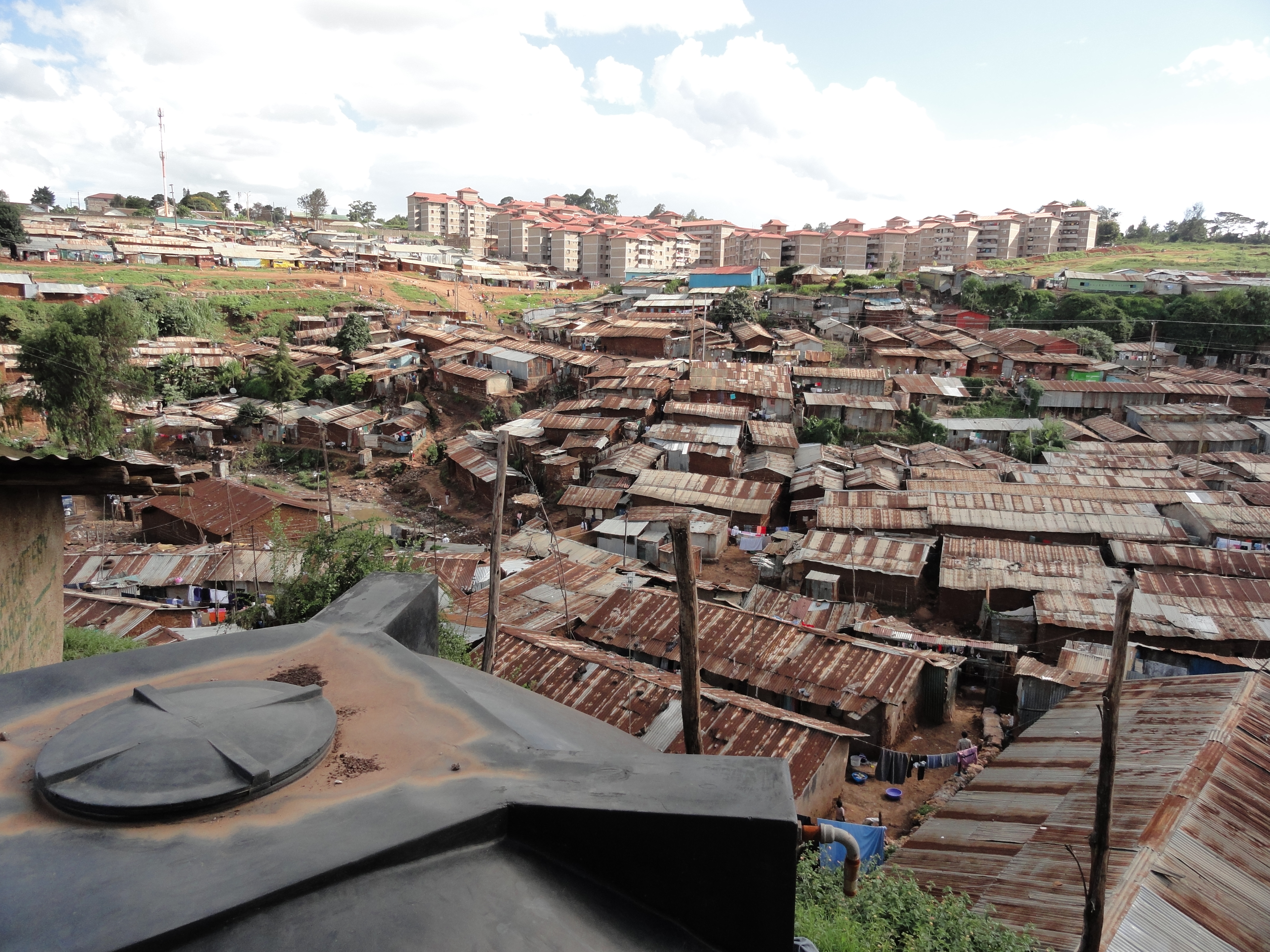
After a fun day at the elephant orphanage yesterday (pictures on Flickr), today was the kick off to the real reason I came to Africa.  I had the opportunity to take a 4 hour private tour of the largest slum in East Africa with two men who were born and raised there.  While I have pictures of Kibera, they simply cannot deliver an accurate assessment of this massive community.

Kibera Slums

Kibera Slums

First of all, let’s just say that the lack of proper sanitation is extremely apparent to all senses as you walk through the streets.  Second, the sheer size of the area isn’t adequately portrayed in a photo.  Finally, from the high level pictures, you miss the most intense element – the people.  There are just so many people, thousands upon thousands out in the streets.  Most people not only live here, but operate tiny shops out of their homes.  There are children everywhere.  The most incredible thing is that while I wouldn’t last a week there and you generally equate extreme poverty with extreme crime and despair, most people are high spirited and exceptionally friendly.  I can’t even count how many random strangers came up to shake my hand or welcome me to their community.

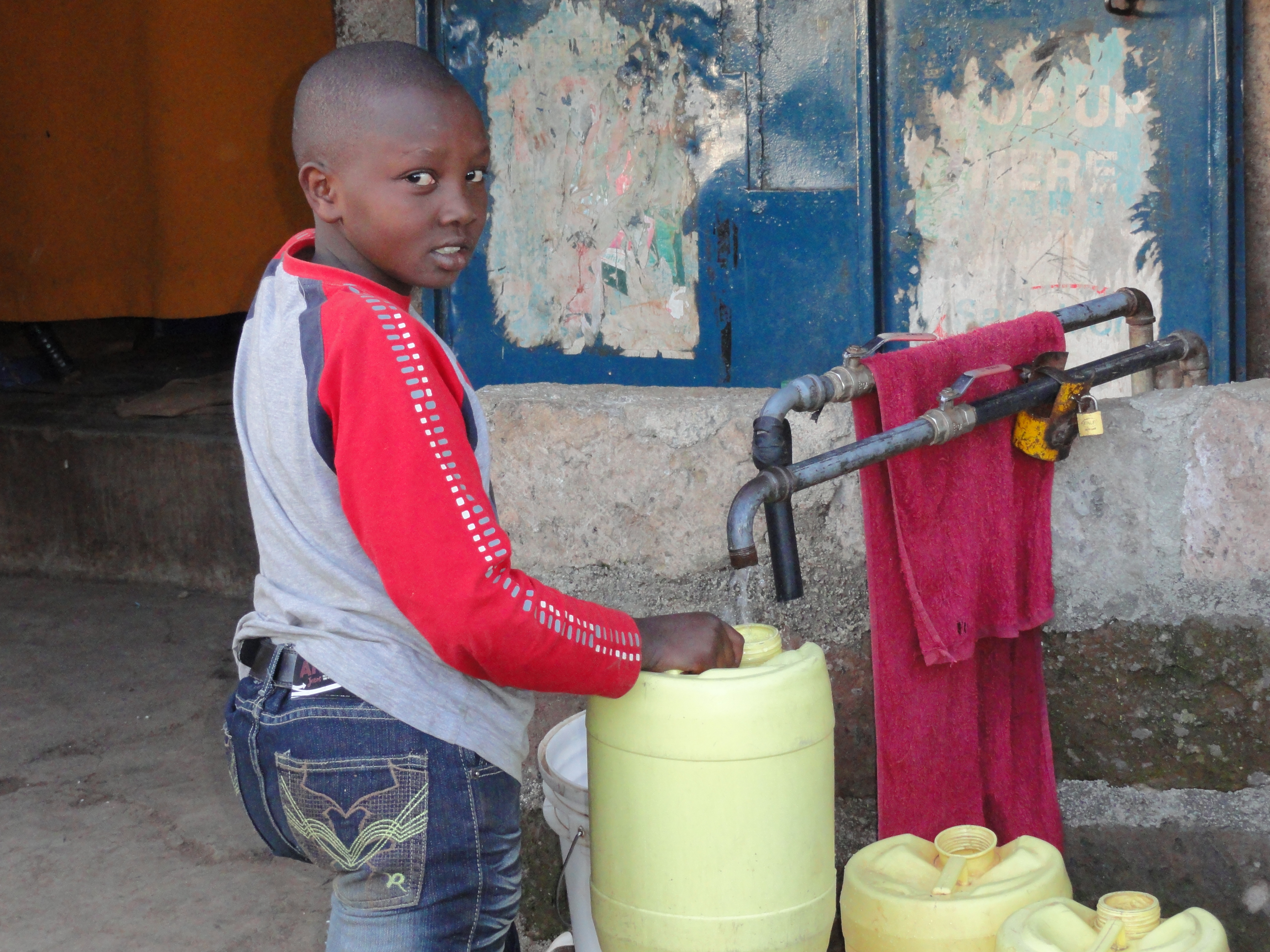
During my tour, the guides and I discussed numerous topics including water cleanliness (obviously), financial services constraints, population control, education, public housing, and more.  While there are numerous areas for improvement (which may be the understatement of the year), the locals told me that they considered sanitation and water to be the most pressing issues.  I can completely understand why sanitation ranked #1, as a handful of pit latrines are shared by thousands of people and overflow, forcing people to resort to a far less desirable option when relieving themselves.  Water obtained from the public (though not free) tap is unclean and stored in dirty jugs, when available at all.  Due to these conditions plus the density and openness of the slums, disease spreads like wildfire throughout the slum.

Paying for water at the tap

Paying for water at the tap

We discuss two different options for providing access to clean water with the ceramic water filters, and they were both received very well.  In fact, they told me that if I could bring samples back from Kiminini, they would be able to put me in touch with the leaders of several community groups.  I have little doubt from my research and conversations with the other volunteers that having community leaders promote the filters is one of the best ways to obtain high adoption.  I’ll discuss these options in far greater detail very soon.

We also discussed many of the financial challenges that the residents of Kibera are faced with on a daily basis.  High unemployment is a critical problem, and there are simply too many people for this to be easily resolved.  In addition, the economy is largely internal.  By that I mean that it’s poor people buying and selling to and from each other.  There is little opportunity to inject new capital into the system and fuel economic growth, so their scarce resources just circulate amongst themselves.  There is massive redundancy in terms of the products and services offered and little to no economies of scale.  Identifying opportunities to consolidate and export / sell to higher income areas is worth additional research.  Cash management is also a topic that the locals brought up several times, and that is very consistent with prior research.  I’ll discuss this topic in more detail at a later date as well.

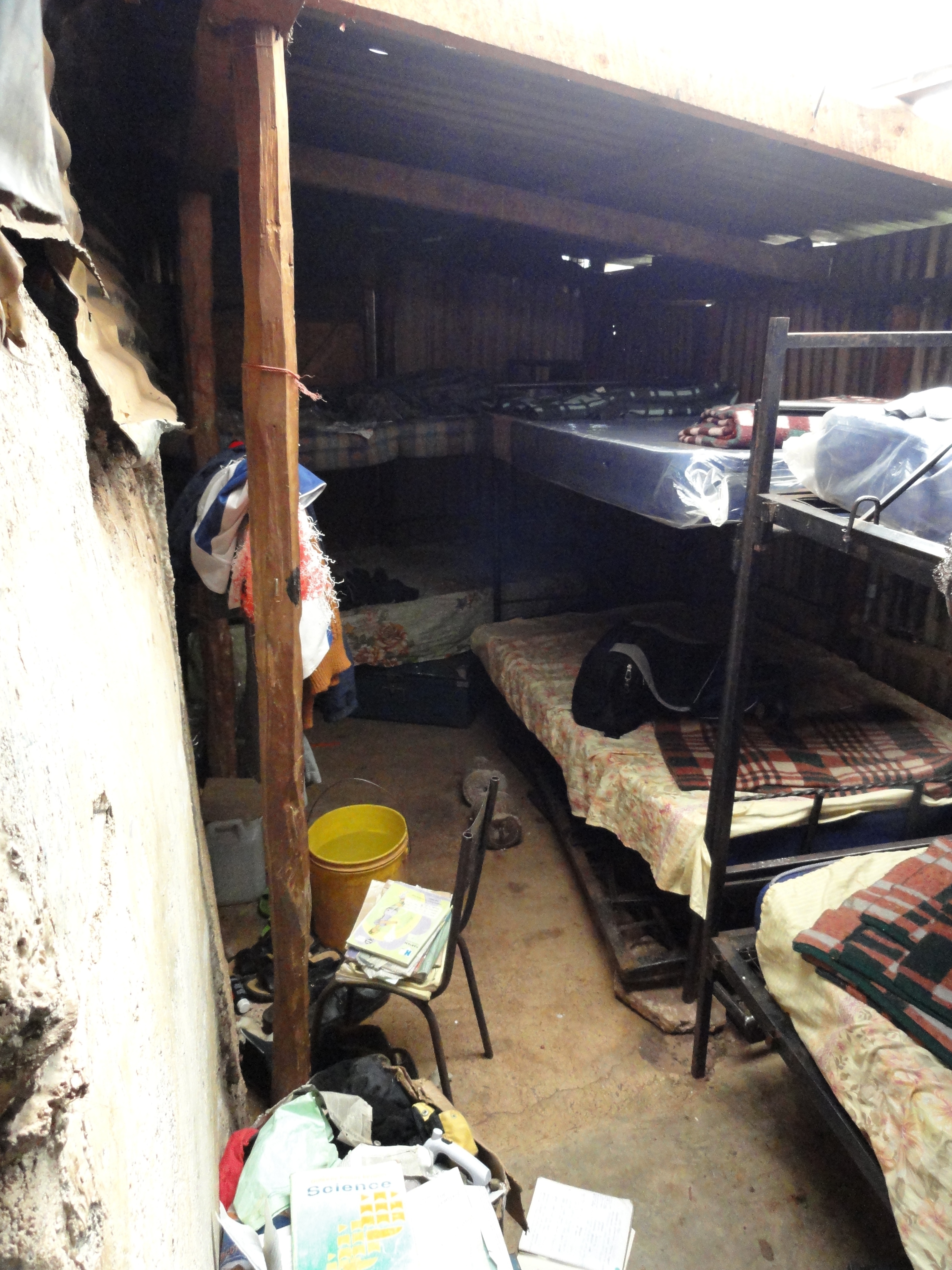
Orphanage

Orphanage

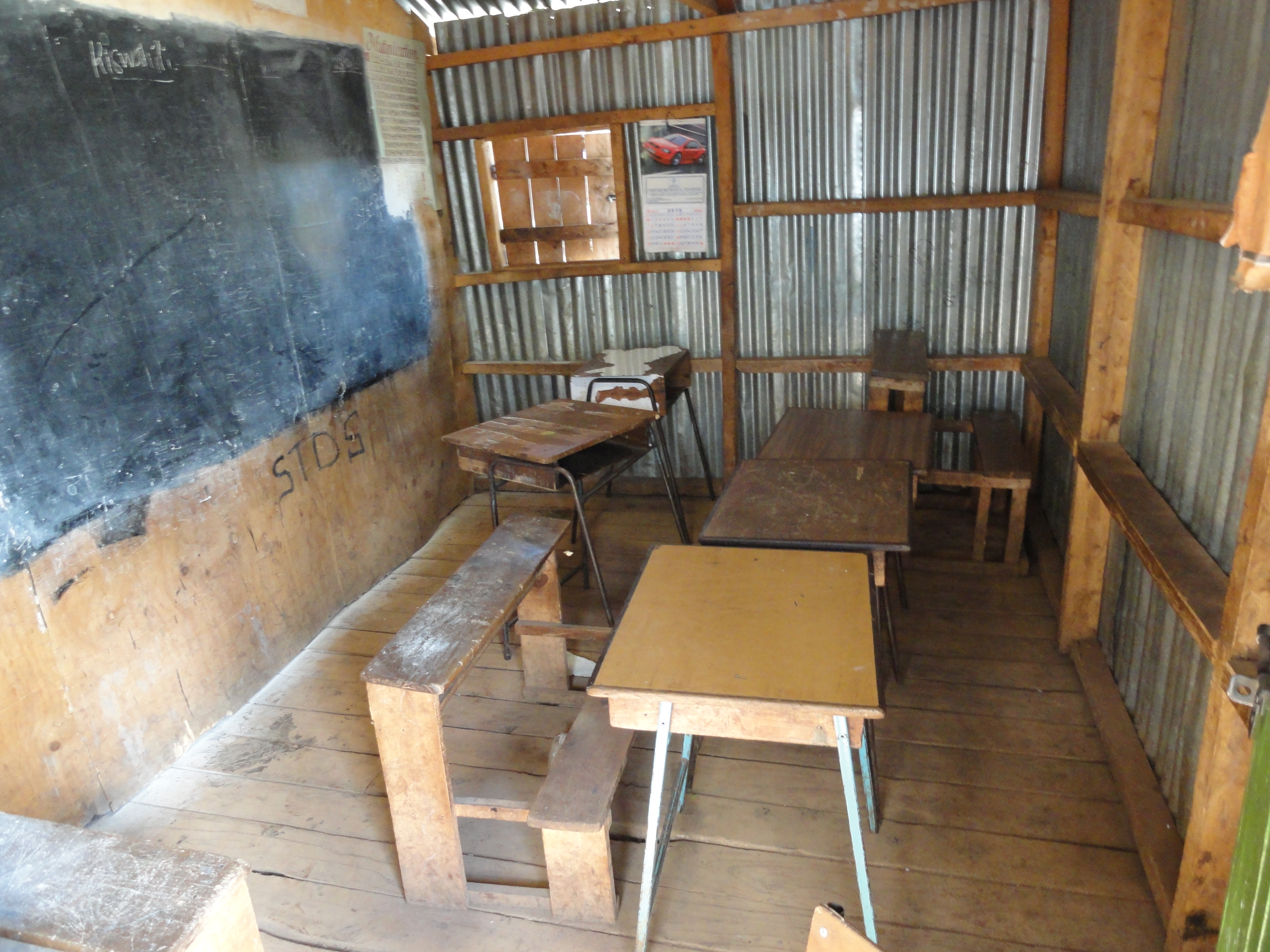
The last two pictures I’ll post here show a privately run orphanage dorm and school, funded primarily through donations.  The dorm was stifling hot when I was in there alone, and the children share 4 to a bed, cramming 64 people into a room I would barely find suitable for storing old junk.  The school consisted of 3 rooms of less than 100 sq. ft. each that accommodate up to 20 children per class.

For additional pictures, check out the Flickr link on the right.  I head to the village of Kiminini tomorrow morning, and will start learning about the similar but distinct challenges faced by the rural poor.  I look forward to sharing more stories and pictures with you.  As always, don’t hesitate to comment if you have thoughts you’d like to share.  Thanks.

School

School

Read Full Post »

« Newer Posts - Older Posts »